(NewsNation) — An Ohio couple recently gave birth to a baby born of an embryo that was frozen in 1994 through a process of embryo adoption.
The process has gained traction among religious and pro-life potential parents as an alternative to traditional fertility treatments and traditional adoption.
What is embryo adoption?
Although it is called adoption, embryo adoption is not legally an adoption. It’s a contractual agreement where embryos created during in vitro fertilization are transferred to another person or couple for implantation.
It is not subject to the same legal regulations as adoption and, in some cases, may be less expensive than fertility treatments or private adoption.
How does embryo adoption work?
Fertility clinics help connect those interested in embryo adoption with people who have embryos to donate.
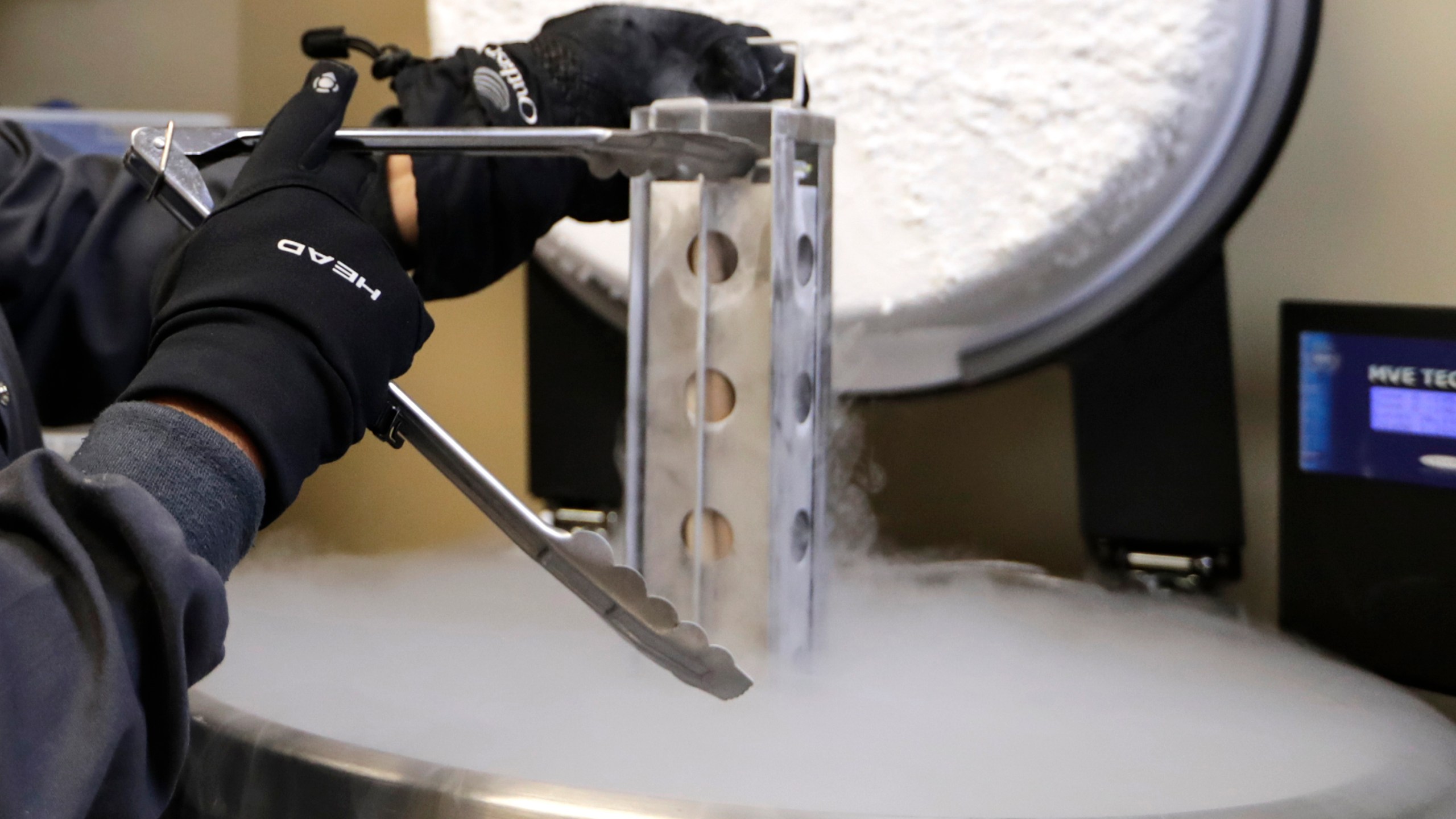
During IVF, it’s common for many more embryos to be created than are implanted. After IVF is successful or if a family decides to stop attempting implantation, those embryos are left over. They may be kept frozen, an expensive process, or they may be destroyed.
In some cases, the embryos that remained in storage were not used because there was the potential for genetic or other abnormalities. In some cases, these embryos are also available through religious clinics that believe life begins at conception.
What is the origin of embryo adoption?
Embryo adoption or donation initially began as a way for infertile couples who were capable of carrying a pregnancy to access a viable embryo.
During the 1990s, the process gained traction as the anti-abortion movement intensified and the religious belief that life begins at conception began to be more widespread.
Those who believe that life begins at conception often object to the destruction of unused embryos, in some cases seeking to pass laws that would limit or ban the destruction of IVF embryos.
How are people doing it?
Those who are hoping to donate or adopt an embryo typically work through a fertility clinic. Many, including the National Embryo Donation Center, the largest in the country, are religiously based.
As such, they may place restrictions on who is allowed to adopt an embryo, refusing to allow same-sex couples or single women to adopt.