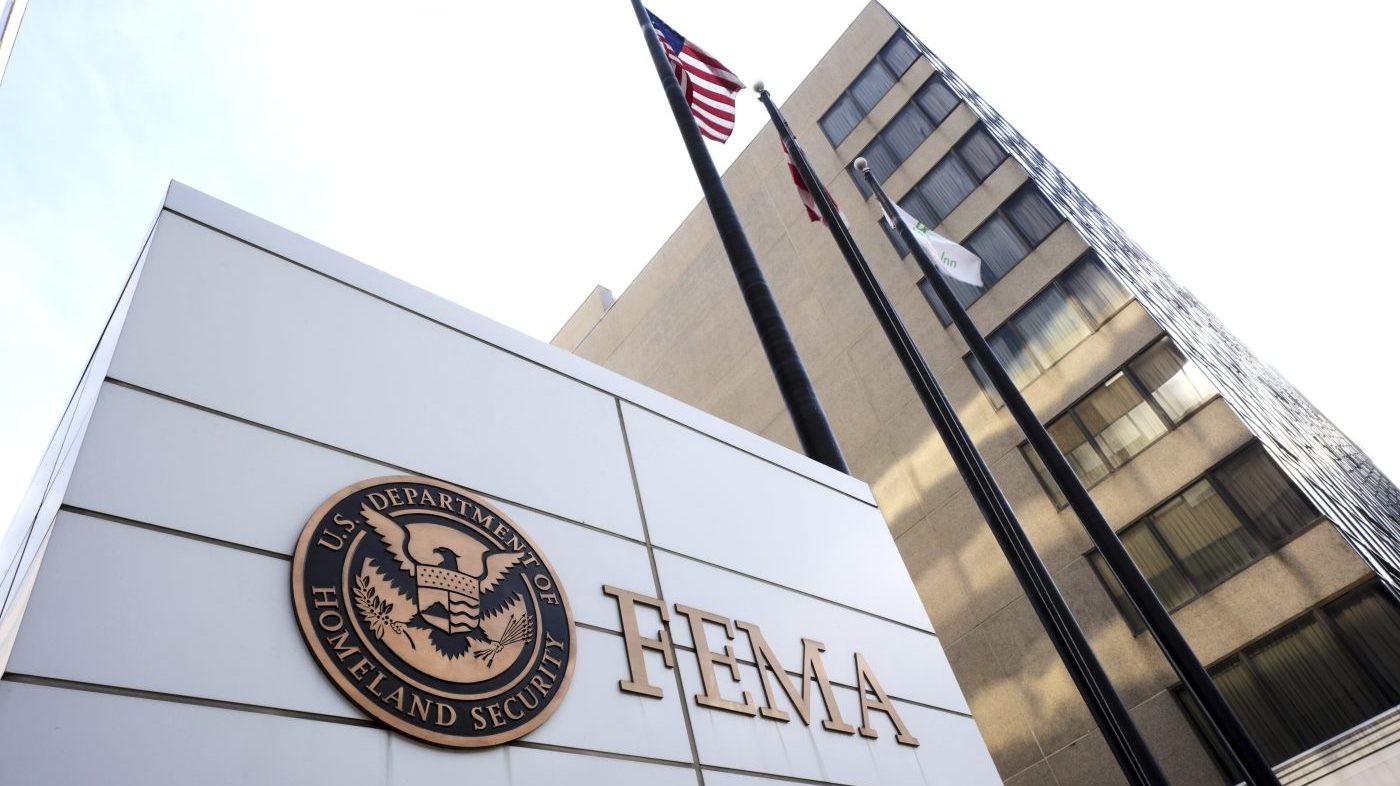
(NewsNation) — Acting FEMA Director David Richardson testified Wednesday that the response to devastating floods that swept through central Texas was a model for how disaster response should happen in the future. That testimony was met with criticism as the future of the Federal Emergency Management Agency is unclear.
Rep. Greg Stanton (D-AZ) was among those who said Richardson’s response to the disaster was inadequate. “For the first 48 hours, the most critical window for search and rescue, he never visited the national response coordination center. For more than week he stayed away from Texas, and for ten days he made no statement about this tragedy,” Stanton said.
The comments came as Richardson testified before the House Transportation and Infrastructure Committee about FEMA and changes that could be coming.
Department of Homeland Security Secretary Kristi Noem and President Trump have previously said FEMA should be dismantled, but recently have indicated it might be better to reform FEMA than eliminate the agency.
Richardson gives 3 steps for FEMA change
In the hearing, Richardson identified three initial steps the agency should take to initiate change. The first, he said, is the removal of bureaucratic “red tape” he argues has delayed “timely and effective delivery of lifesaving or life sustaining assistance.”
Richardson’s second step focused on the establishment of a disaster response and recovery model that is locally led and state-managed, with federal support available when needed.
“The original intent of FEMA was to help state, local, tribal, and territorial partners build their disaster resilience, response, and recovery capabilities, and to provide resources when they are overwhelmed by the scope of a disaster,” Richardson said. “FEMA lost sight of this original intent.”
The third step was geared towards leveraging technology to increase “our partners’ operational readiness.”
Lawmakers share frustrations with FEMA
In response to Richardson’s commentary, lawmakers cited concern with previous FEMA restructuring efforts, as well as its leadership.
“Over the years, Congress has passed reform after reform trying to fix FEMA and get federal disaster response to work effectively. Quite honestly, little seems to work,” Rep. Scott Perry (R-PA) said. “Congress passes something intended to fix disaster response, but bureaucrats continue to complicate the law with added regulations.”
Perry voiced his support for states taking the lead in preparing for, mitigating against and responding to disasters, making it clear that something needs to change.
“In 2045, we do not want to see congressional hearings asking why disasters that happened in 2025 are still open,” Perry said. “The longer it takes for communities to rebuild, no matter who’s paying, the higher the costs and the more vulnerable those communities are to additional harm from other hazards.”