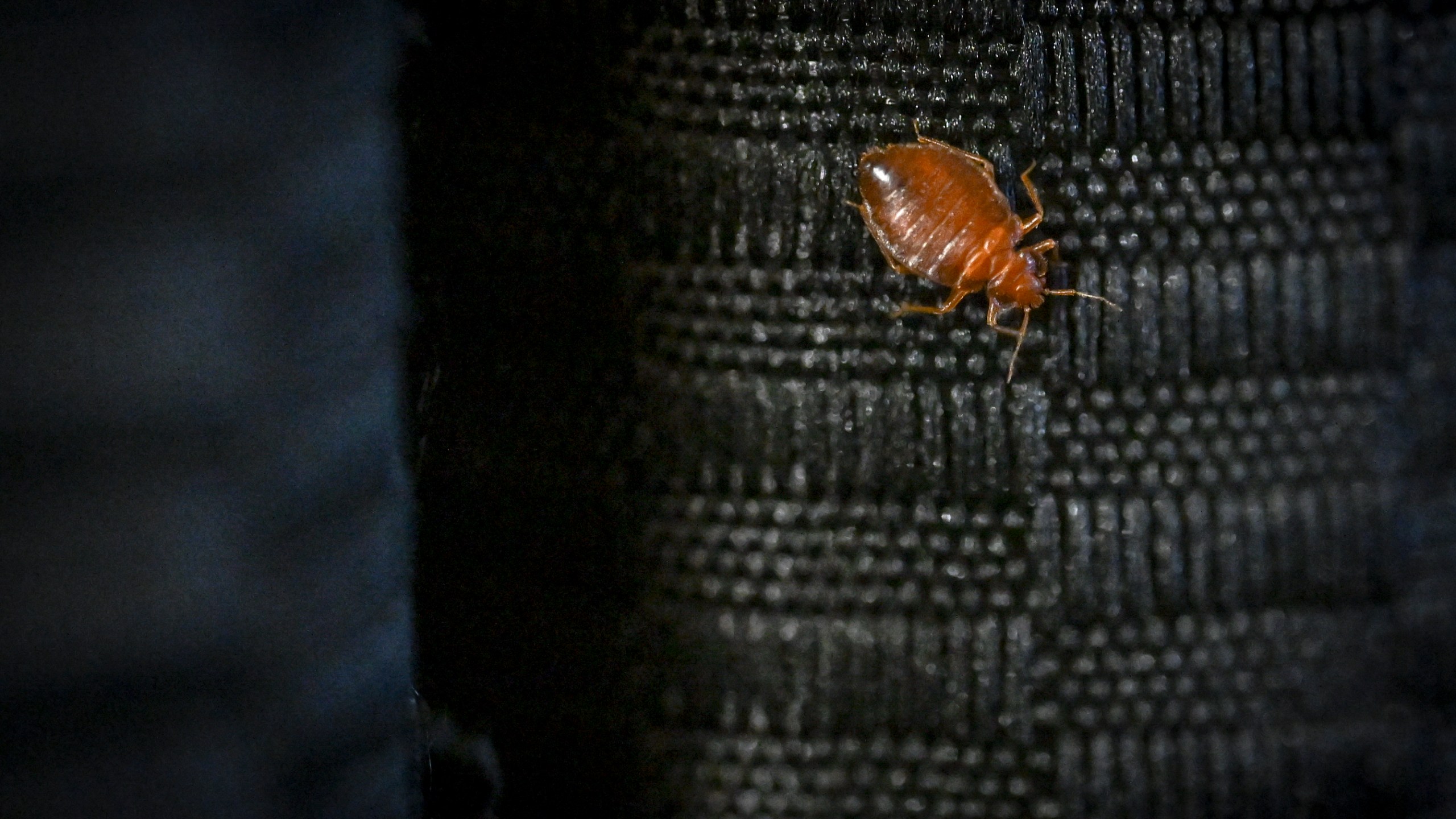
(NewsNation) — Bed bugs are hard to see, but they pack a punch when they bite, leaving behind itching and small bite marks.
They are not known to spread diseases to humans, according to the Centers for Disease Control and Prevention, but bed bug infestations can be concerning as they cause discomfort.
What do bed bug bites look like?
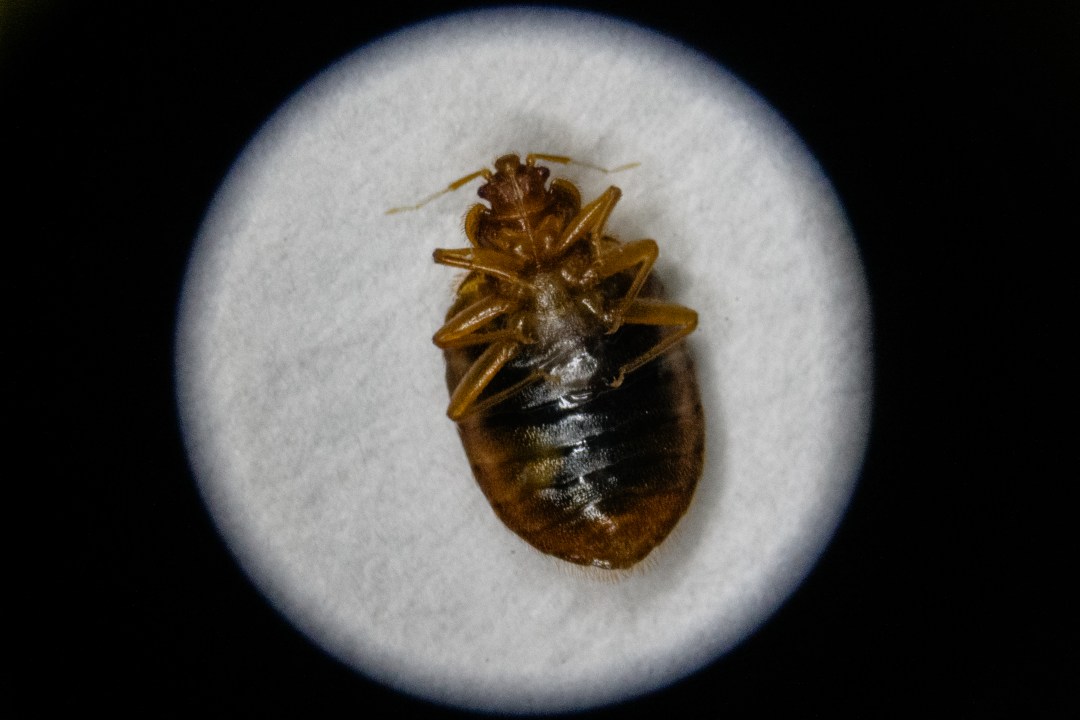
Bed bugs are small, flat, reddish-brown insects without wings.
Roughly the size of Lincoln’s head on a penny, the pests feed on blood to survive, according to the CDC.
Do bed bug bites itch?
Although bed bugs do not pose a serious health threat, they can cause severe itching, which can lead to sleep loss and possible secondary skin infections from scratching.
Most people don’t notice they’ve been bitten until bite marks, looking similar to mosquito or flea bites, appear one to several days later. The area will be slightly swollen and red, and the marks can appear in a random pattern or in a straight line.
How to treat bed bugs
For skin irritation, the CDC recommends applying anti-itch cream to the affected areas.
To treat the general infestation, contact a pest control company experienced in treating bed bugs to spray insecticide.
In the meantime, you can take steps to keep the infestation from spreading by sealing small hiding areas with caulk, removing infested items, buying protective covers for mattresses and vacuuming the area.
The Environmental Protection Agency offers an at-home step-by-step guide to treating bed bugs.