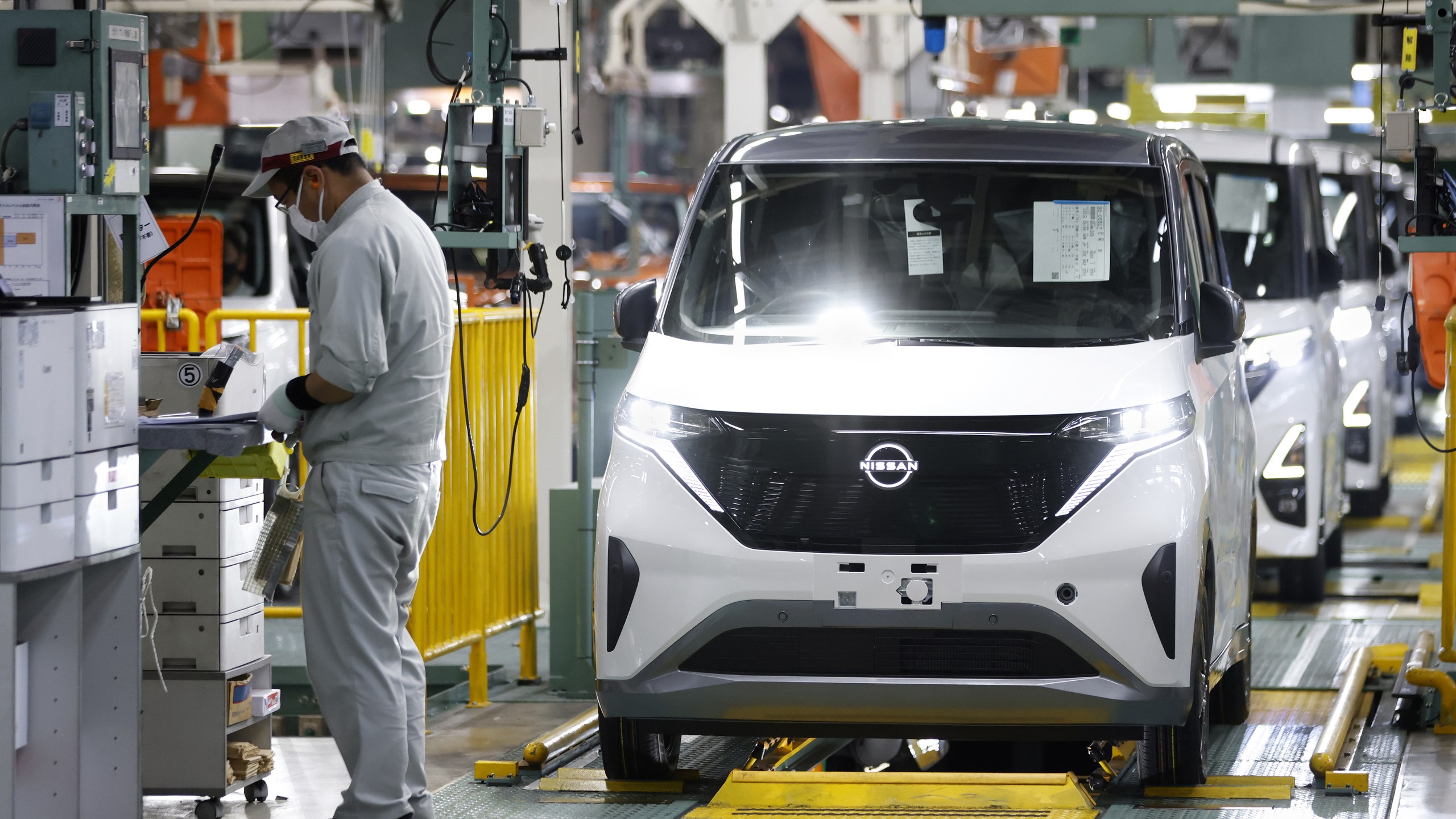
(NewsNation) — More Americans are discovering the kei car, the tiny vehicles built initially for the crowded streets of Japan.
But what exactly is it about these vehicles that’s captivating U.S. drivers?
What is a kei car?
Kei, pronounced like “hey,” is short for kei-jidosha, which loosely translates to “light vehicle.”
According to TOC Automotive College in Malaysia, the cars are the smallest passenger vehicles allowed on Japanese roads and must fit these measurements:
- Maximum of 3.4 meters in length
- Maximum of 1.48 meters in width
- Maximum of 2 meters in height
- Maximum displacement of 0.66 liters
While SUVs and oversized pickups dominate the U.S., kei cars are compact and even a little unusual, appealing to more Americans as small, affordable and efficient vehicles.
Import rules
Most kei vehicles don’t meet U.S. safety or emissions standards. However, foreign vehicles at least 25 years old can be imported as “classics” or “antiques”, according to the National Highway Traffic Safety Administration, bypassing modern requirements. Some kei cars now arriving in the U.S. are from the year 2000 or earlier.
In Japan, parking garages are storing aging kei cars, essentially on standby until they hit the 25-year mark, ready to be shipped and on the road in the U.S.
Affordable alternatives
In the U.S., used cars often top $30,000. In contrast, Kei vehicles typically sell for under $10,000, according to The Los Angeles Times. The price, combined with low fuel costs, has helped fuel their growing popularity.
Buyers typically have two options: purchase from a U.S.-based importer who’s already navigated paperwork or take on the DIY route, which can save money, and hunt, buy and ship a car directly from Japan.
However, even once the vehicle is registered, there’s a learning curve. Kei cars are designed for Japan’s roads, where the steering wheel is on the right, and most have manual transmissions that require shifting with your left hand. It also features a different metric system, with the speedometer displaying speeds in kilometers per hour.
Legalizing key cars in the US
In recent years, several U.S. states have tried to formally legalize kei vehicles.
In Texas, for example, lawmakers passed a bill formally legalizing “titling, registration and operation” of so-called miniature vehicles, including kei trucks.