Satellite photos: See before and after images of bombing at Iran nuke sites

  • 3 nuclear sites — Fordow, Natanz, Esfahan  were hit
  • Trump demanded Iran make peace or face more attacks
  • Fordow facility, built deep inside a mountain near the city of Qom

NOW PLAYING

Want to see more of NewsNation? Get 24/7 fact-based news coverage with the NewsNation app or add NewsNation as a preferred source on Google!

(NewsNation) — Newly released satellite imagery Sunday shows damage to three Iranian nuclear facilities following devastating U.S. airstrikes Saturday night.

The U.S. military used specialized bunker bombs to penetrate the underground facilities at Fordow, Natanz and Isfahan, marking President Donald Trump’s decision to join Israel’s military campaign against Iran’s nuclear program.

High-resolution images collected by Maxar Technologies show the before and after of the sites.

Interact with the images below by dragging the slider to the left and right to see the before and after differences following the U.S. strikes:

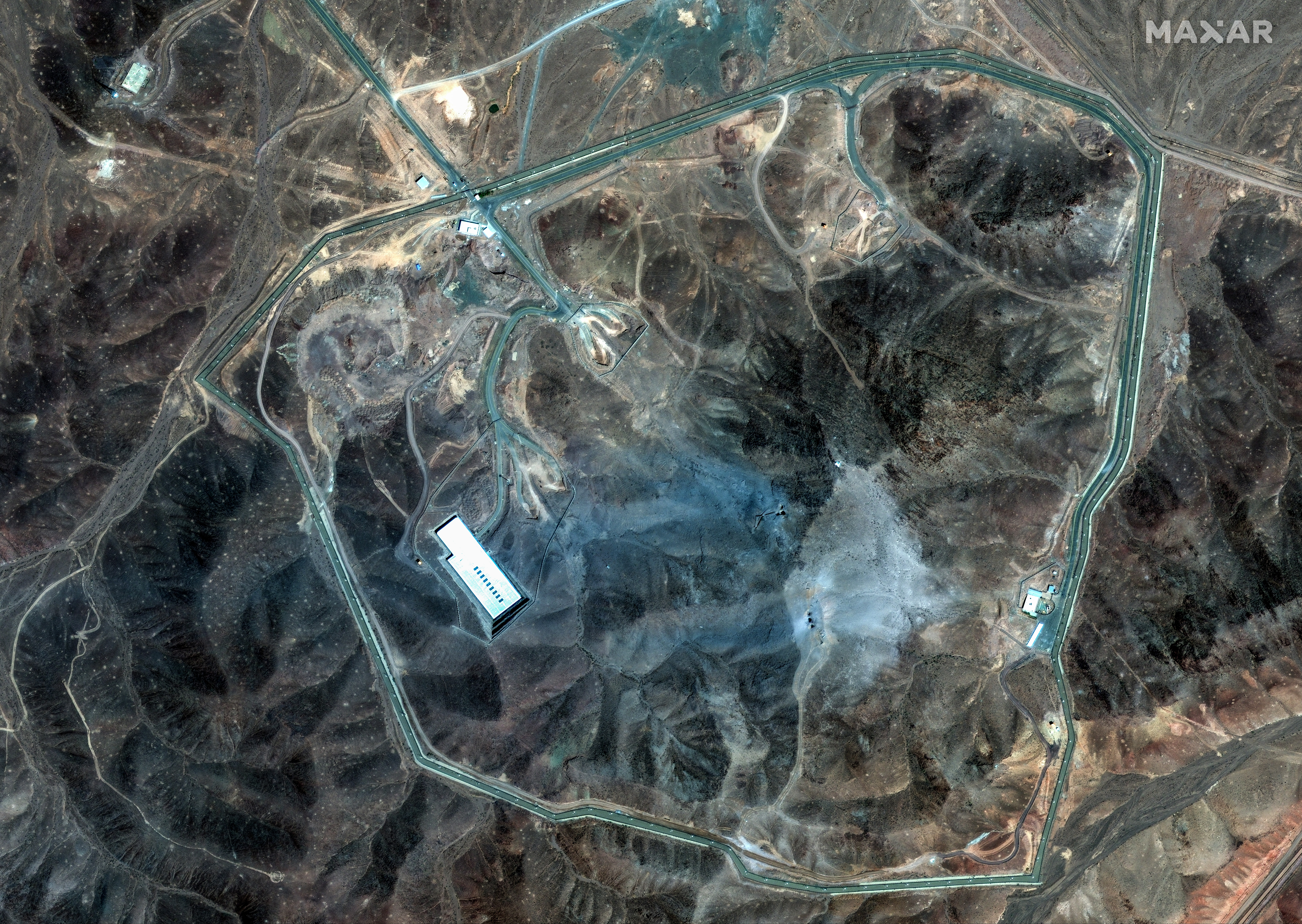
Fordow enrichment facility
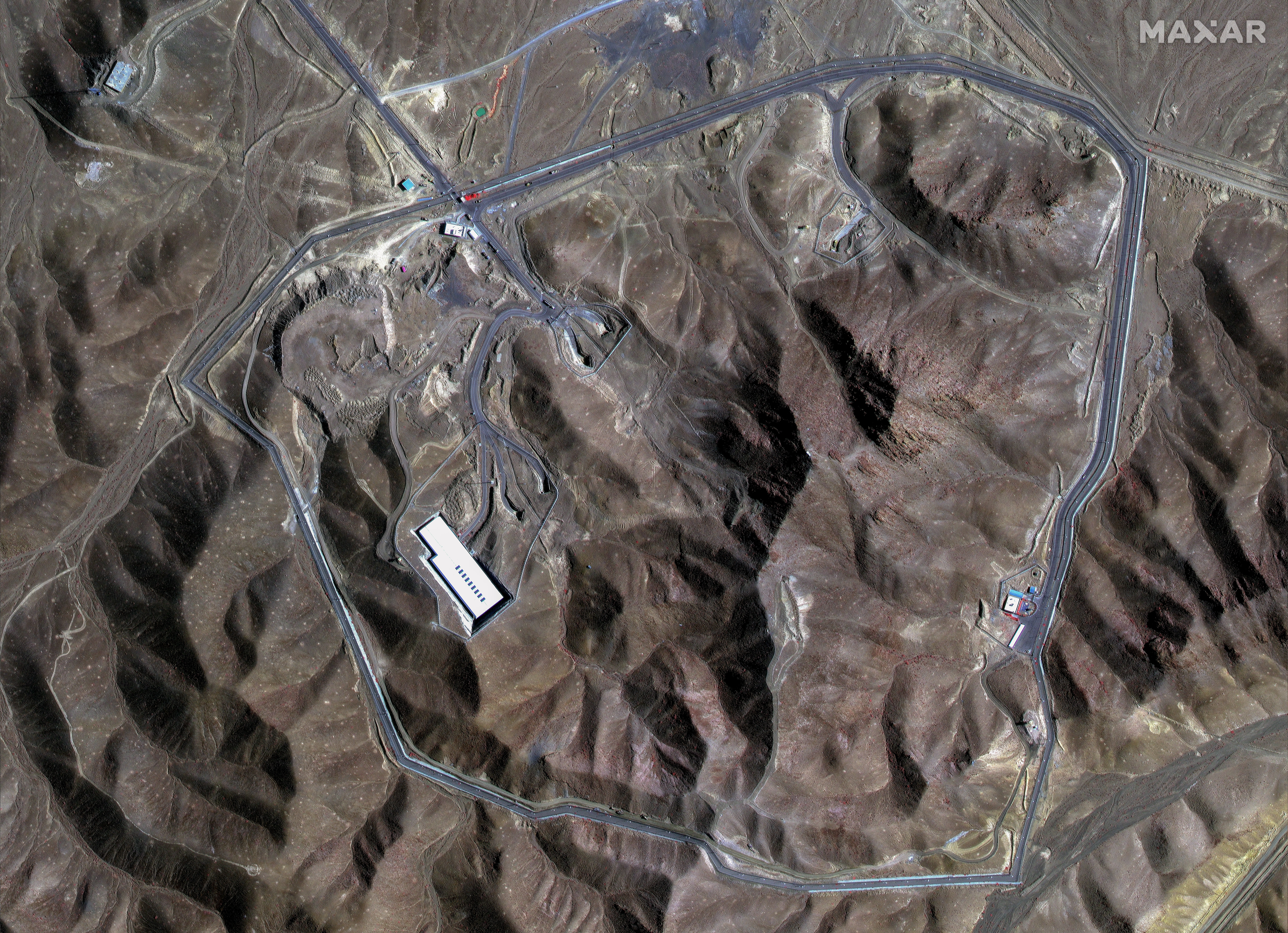
Images shared by Maxar Technologies show the Fordow Fuel Enrichment Plant in the days before Saturday’s attack, left, and after the attack, on the right, on Sunday, June 22. (Satellite image ©2025 Maxar Technologies)

A layer of gray-blue ash spread across a wide area surrounding the facility, evidence of the powerful explosions from bunker-busting bombs used in the attack, according to the satellite imagery analysis.
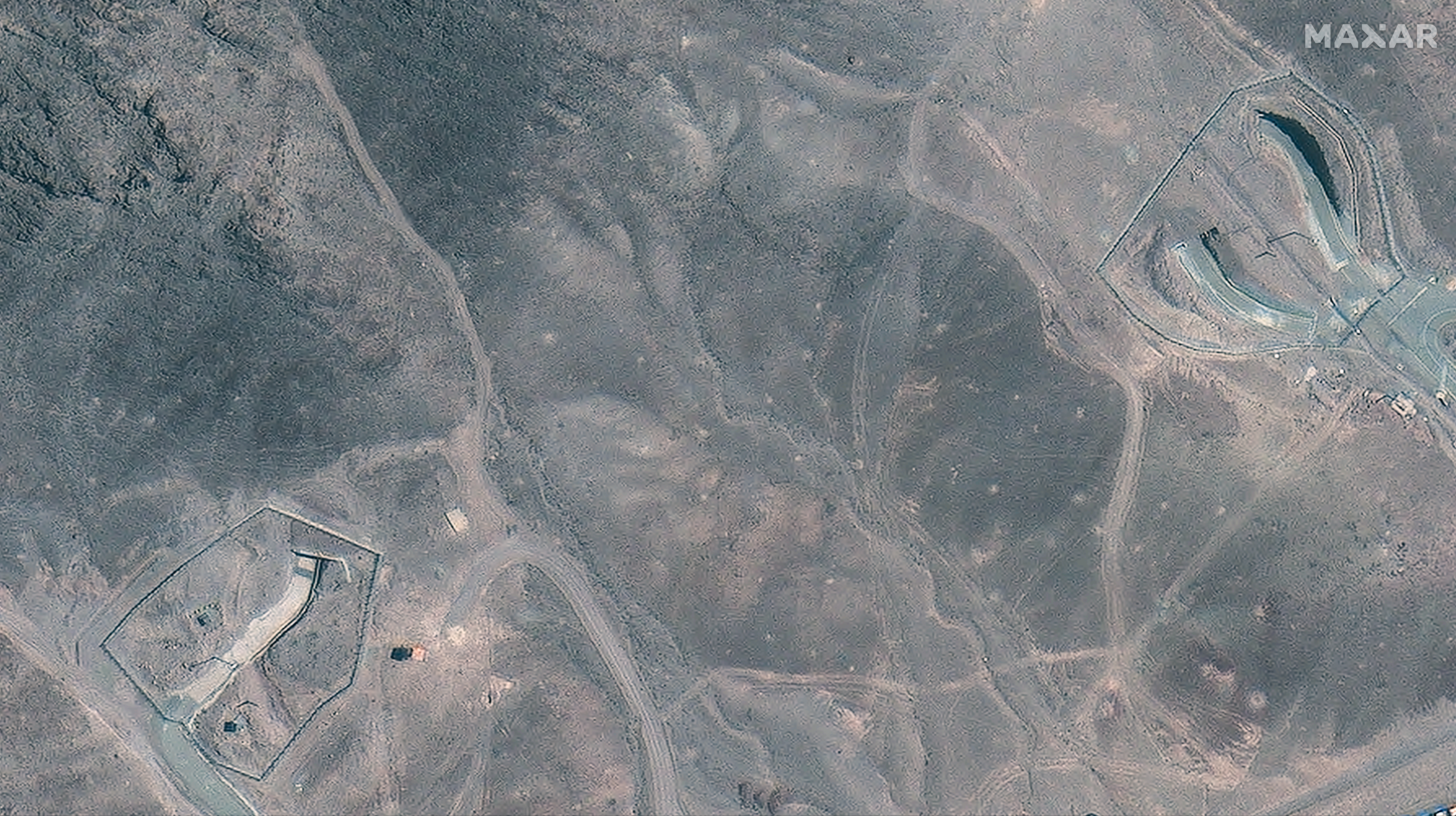
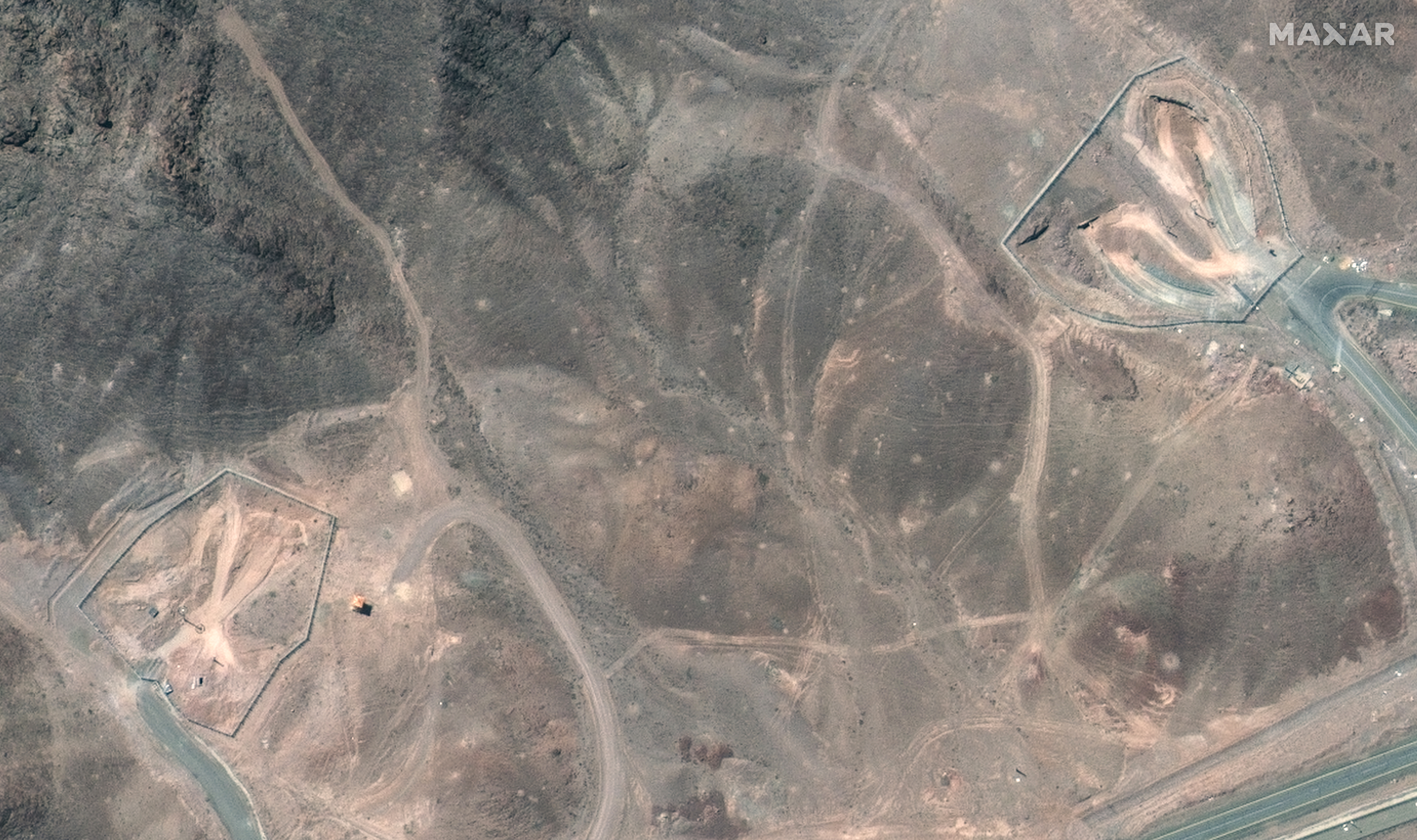
Images shared by Maxar Technologies show the Fordow Fuel Enrichment Plant in the days before Saturday’s attack, left, and after the attack, on the right, on Sunday, June 22. (Satellite image ©2025 Maxar Technologies)

Satellite imagery shows large craters on a ridge above the underground complex, with several tunnel entrances leading into the underground facility blocked with debris and dirt, per Maxar.

Images shared by Maxar Technologies show the Fordow Fuel Enrichment Plant in the days before Saturday’s attack, left, and after the attack, on the right, on Sunday, June 22. (Satellite image ©2025 Maxar Technologies)

The Fordow facility, built deep inside a mountain near the city of Qom, considered a holy site in Shi’a Islam, has been a particular concern for Western intelligence agencies due to its heavily fortified construction designed to withstand military attacks.

The image below, also from Maxar Technologies, shows several holes, which appear to have been left by bombs, with what appears to be ash around them.

This image shared by Maxar Technologies shows the craters left at the Fordow Fuel Enrichment Plant by Saturday’s attack on Sunday, June 22. (Satellite image ©2025 Maxar Technologies)

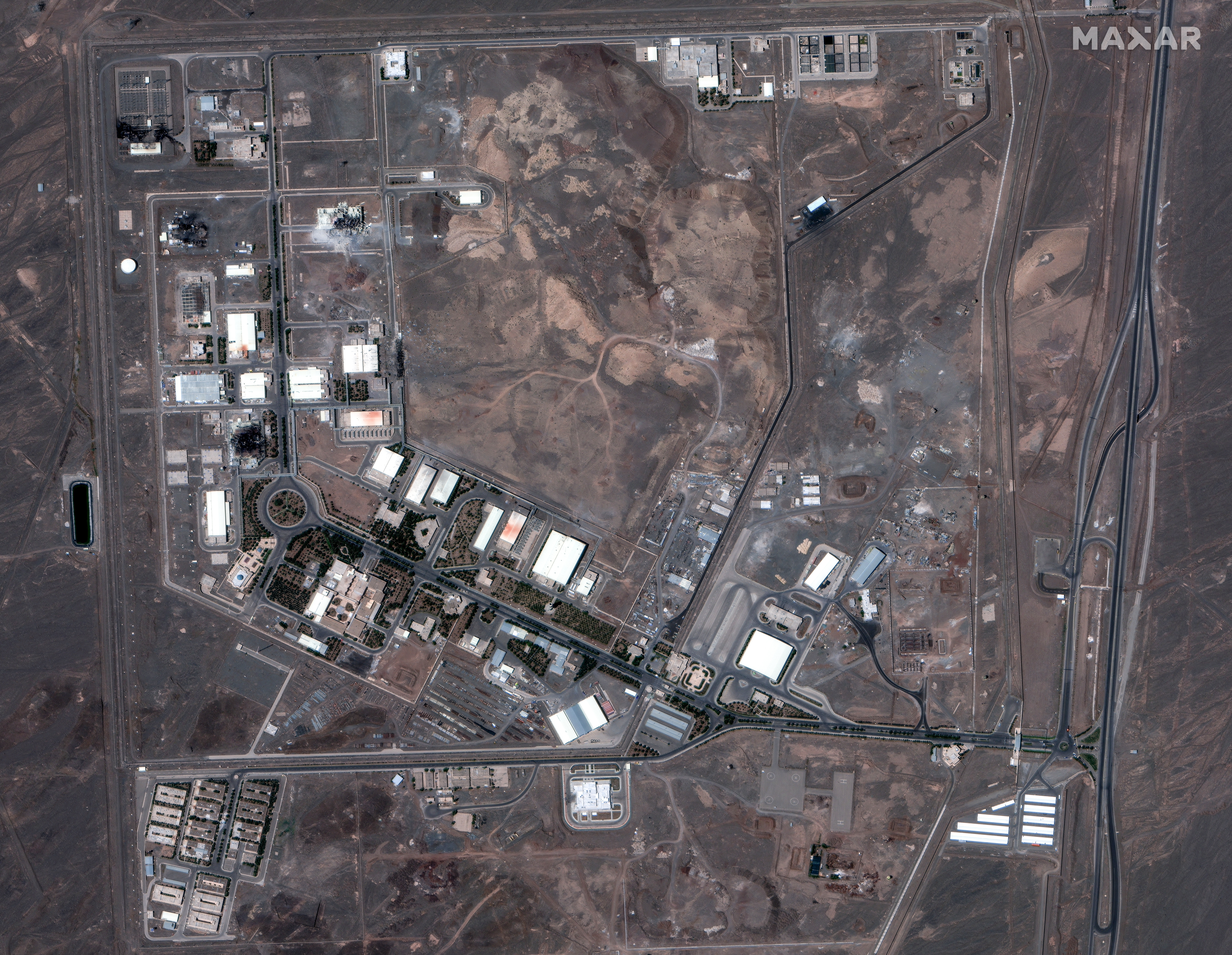
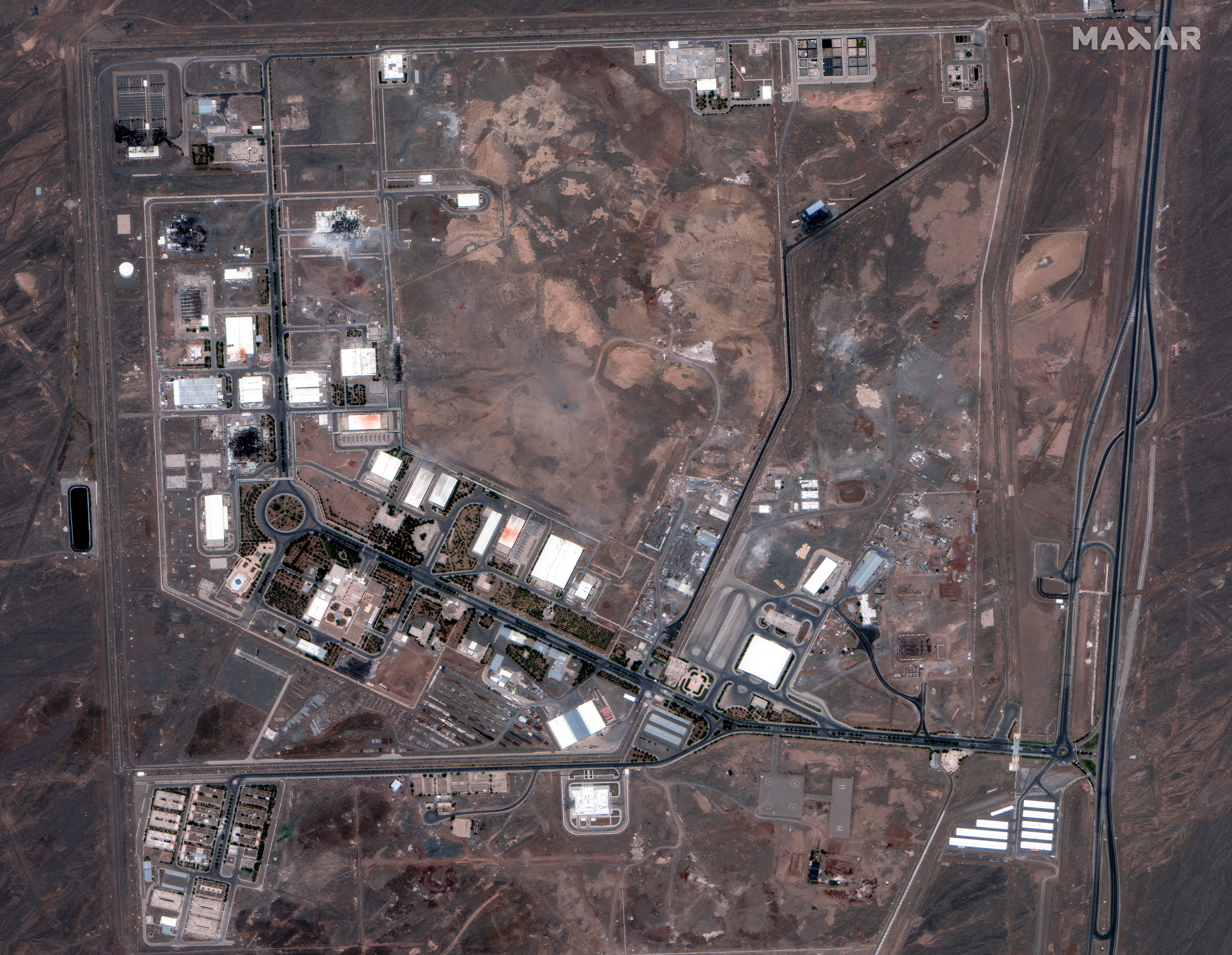
Natanz enrichment facility

Images shared by Maxar Technologies show the Natanz enrichment facility in the days before Saturday’s attack, left, and after the attack, on the right, on Sunday, June 22. (Satellite image ©2025 Maxar Technologies)

At the Natanz enrichment facility, satellite images show a 5.5-meter diameter crater positioned directly above part of the underground military complex.

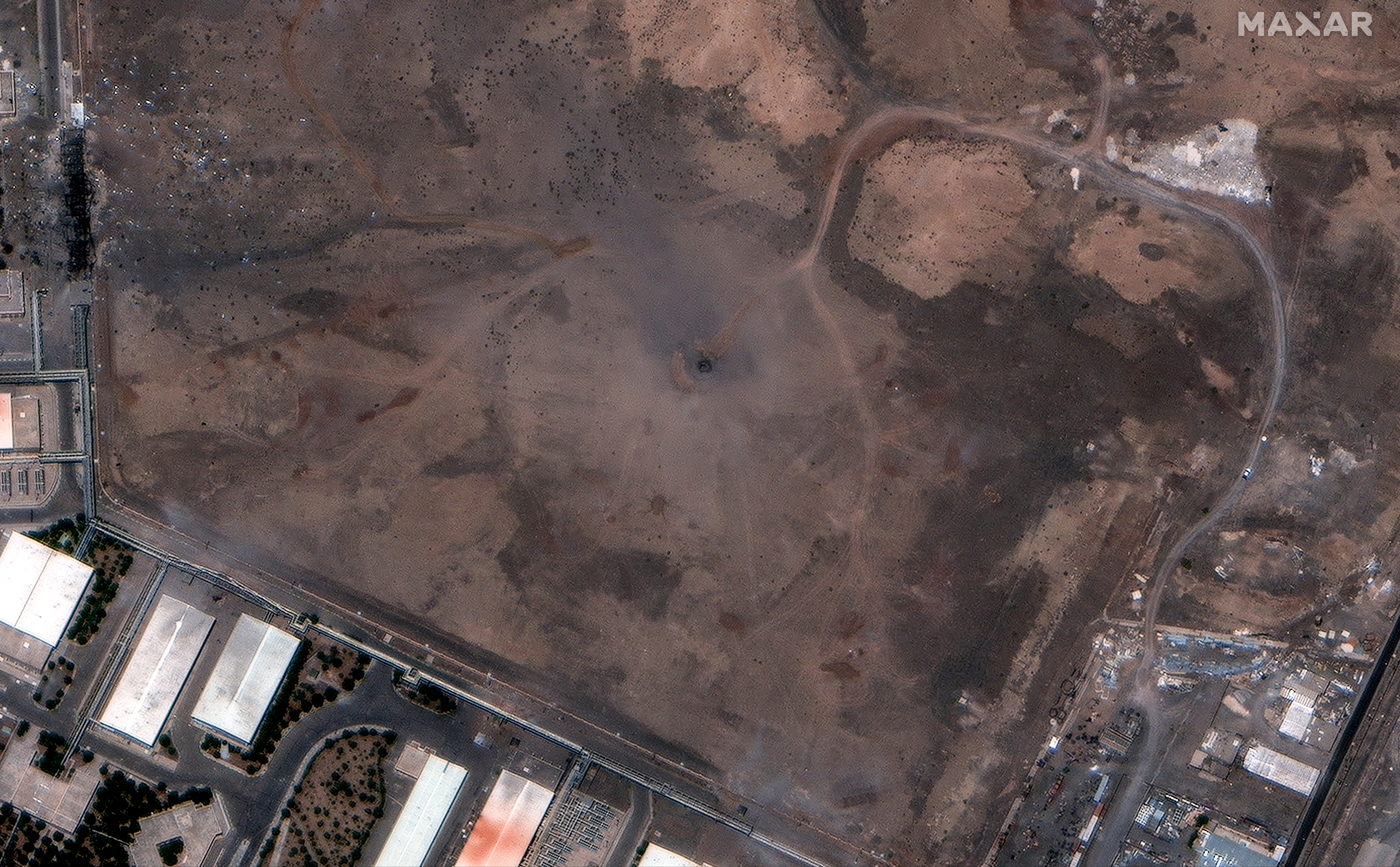
Images shared by Maxar Technologies show the Natanz enrichment facility in the days before Saturday’s attack, left, and after the attack, on the right, on Sunday, June 22. (Satellite image ©2025 Maxar Technologies)

Natanz houses centrifuges, which are critical to Iran’s uranium enrichment program.
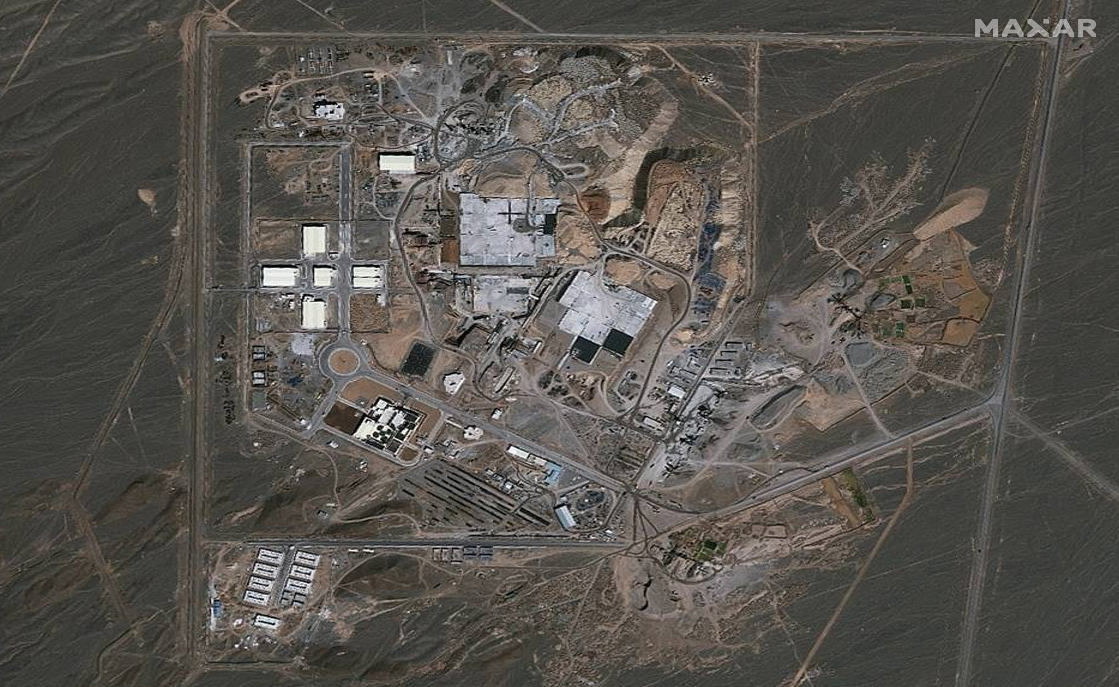
The image above, shared by Maxar Technologies, shows the Natanz enrichment facility in 2003. (Satellite image ©2025 Maxar Technologies)

The crater’s precise placement over the underground centrifuge operations indicates penetration of the facility’s protective earth covering. Historical Maxar imagery from 2003 shows the site during construction, when centrifuge buildings were visible before being covered with earth for protection.

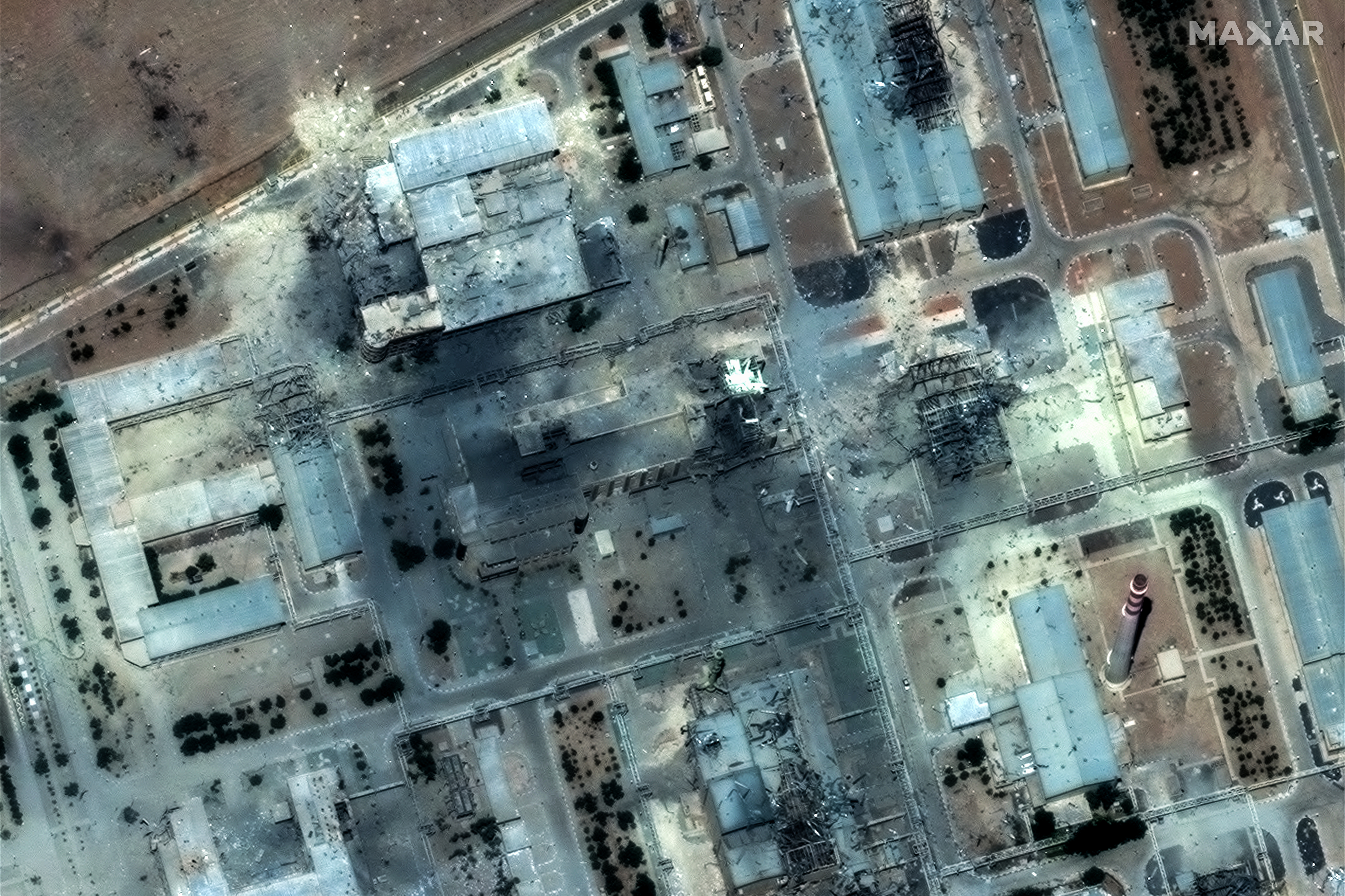
Isfahan Technology Center

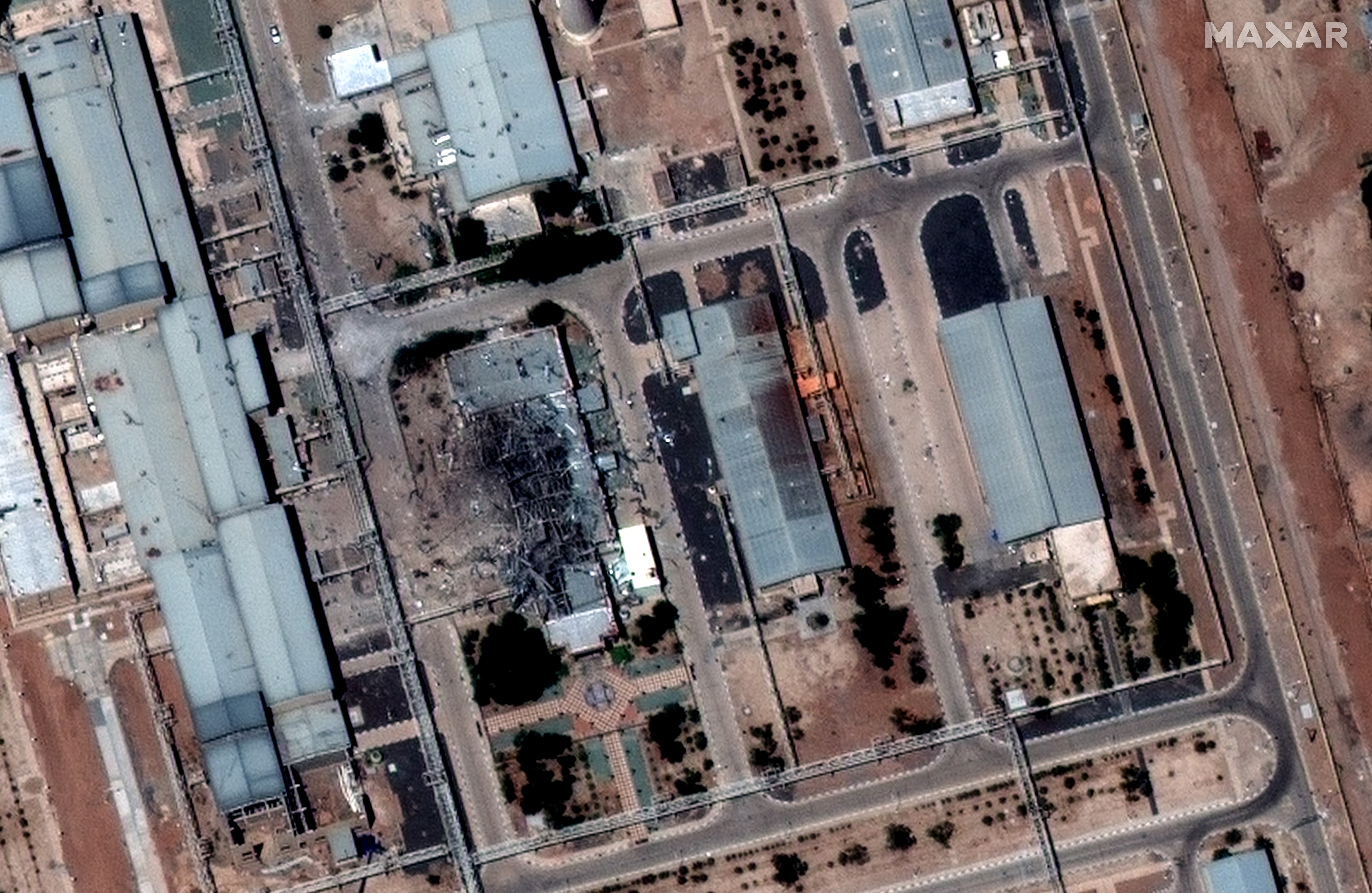
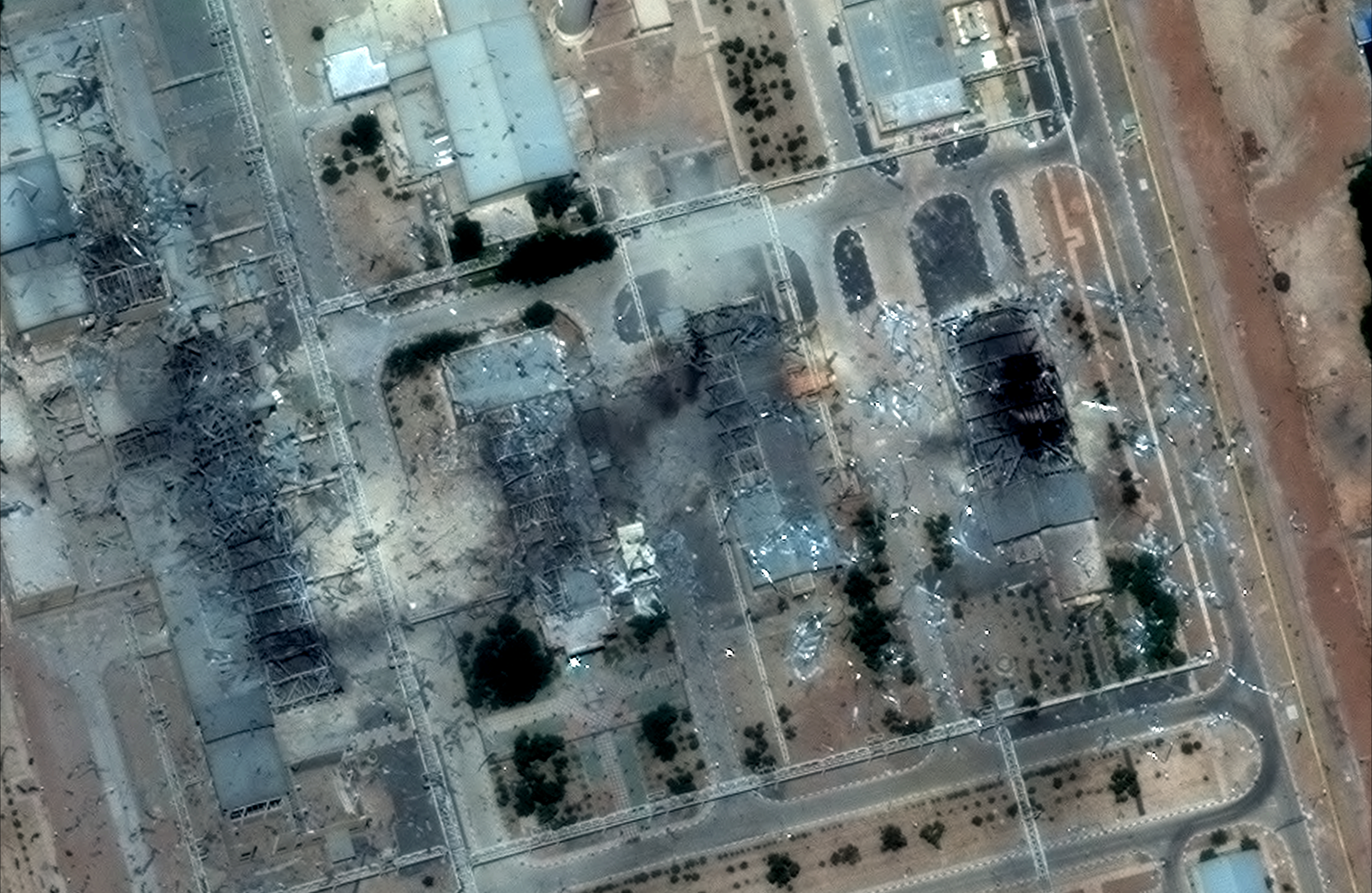
The Isfahan nuclear technology center sustained extensive building damage across the entire complex, according to the latest satellite imagery analysis.
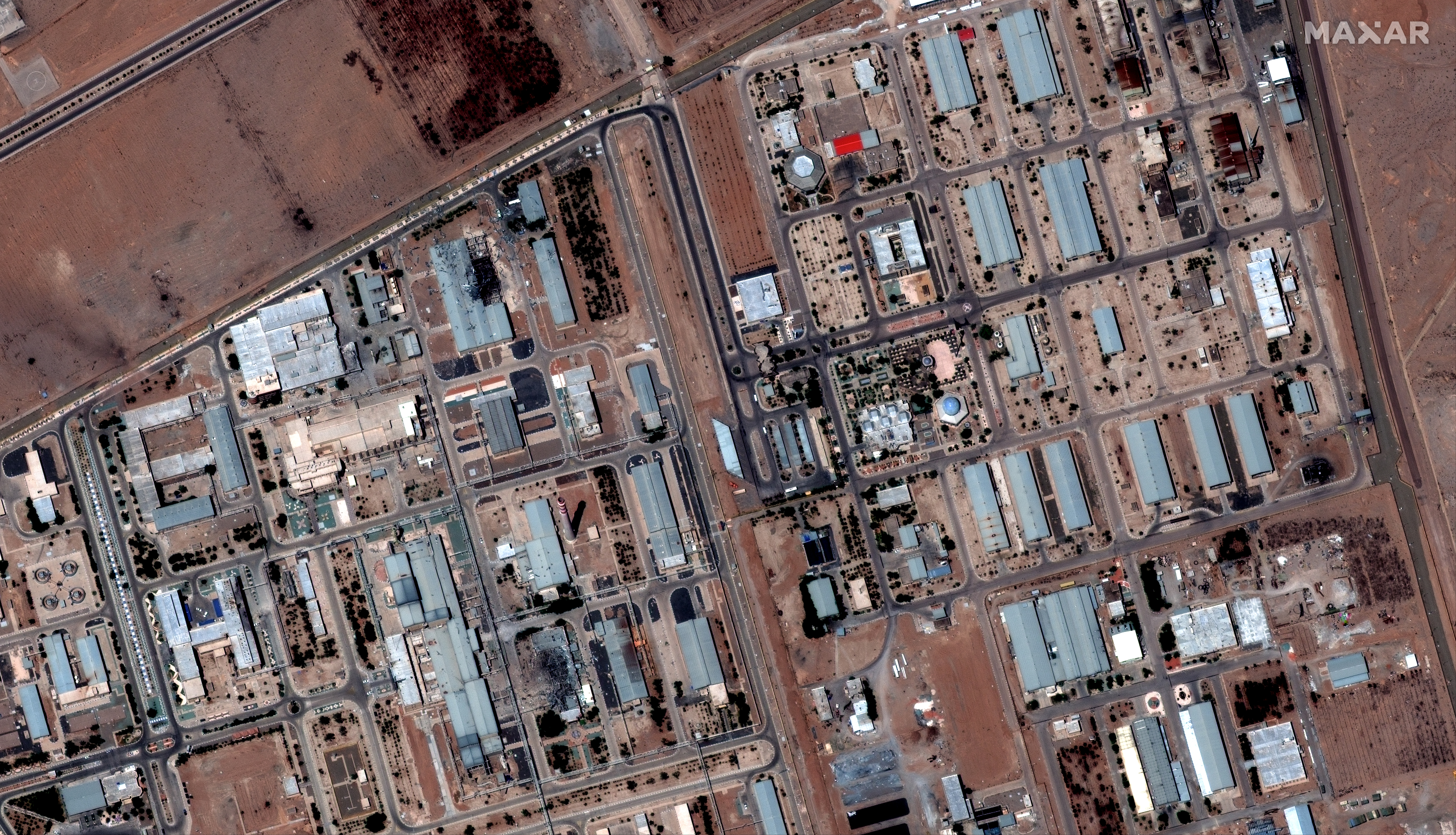
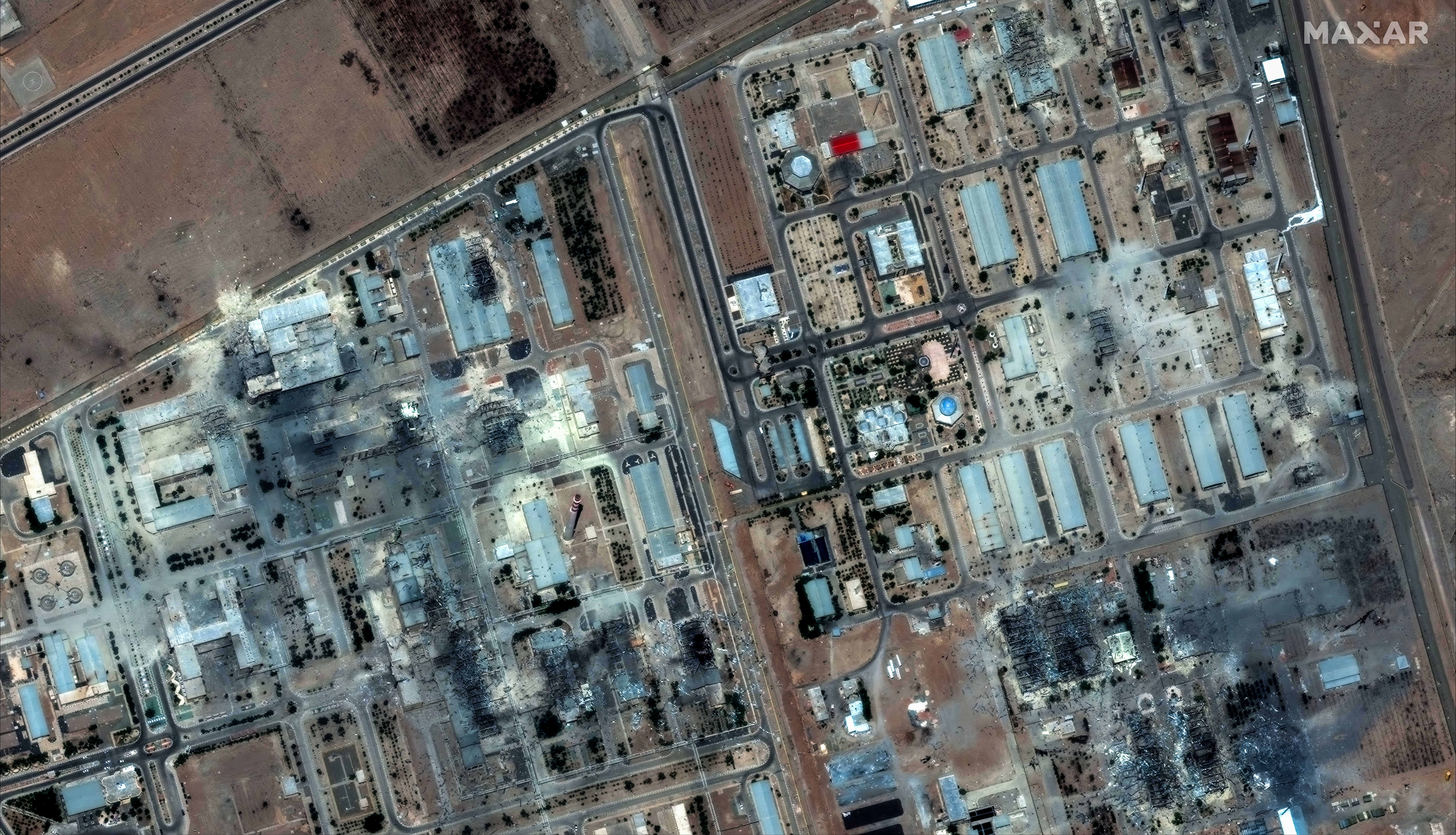
Images shared by Maxar Technologies show the Isfahan nuclear technology center in the days before Saturday’s attack, left, and after the attack, on the right, on Sunday, June 22. (Satellite image ©2025 Maxar Technologies)

The facility serves as Iran’s primary nuclear technology research center.
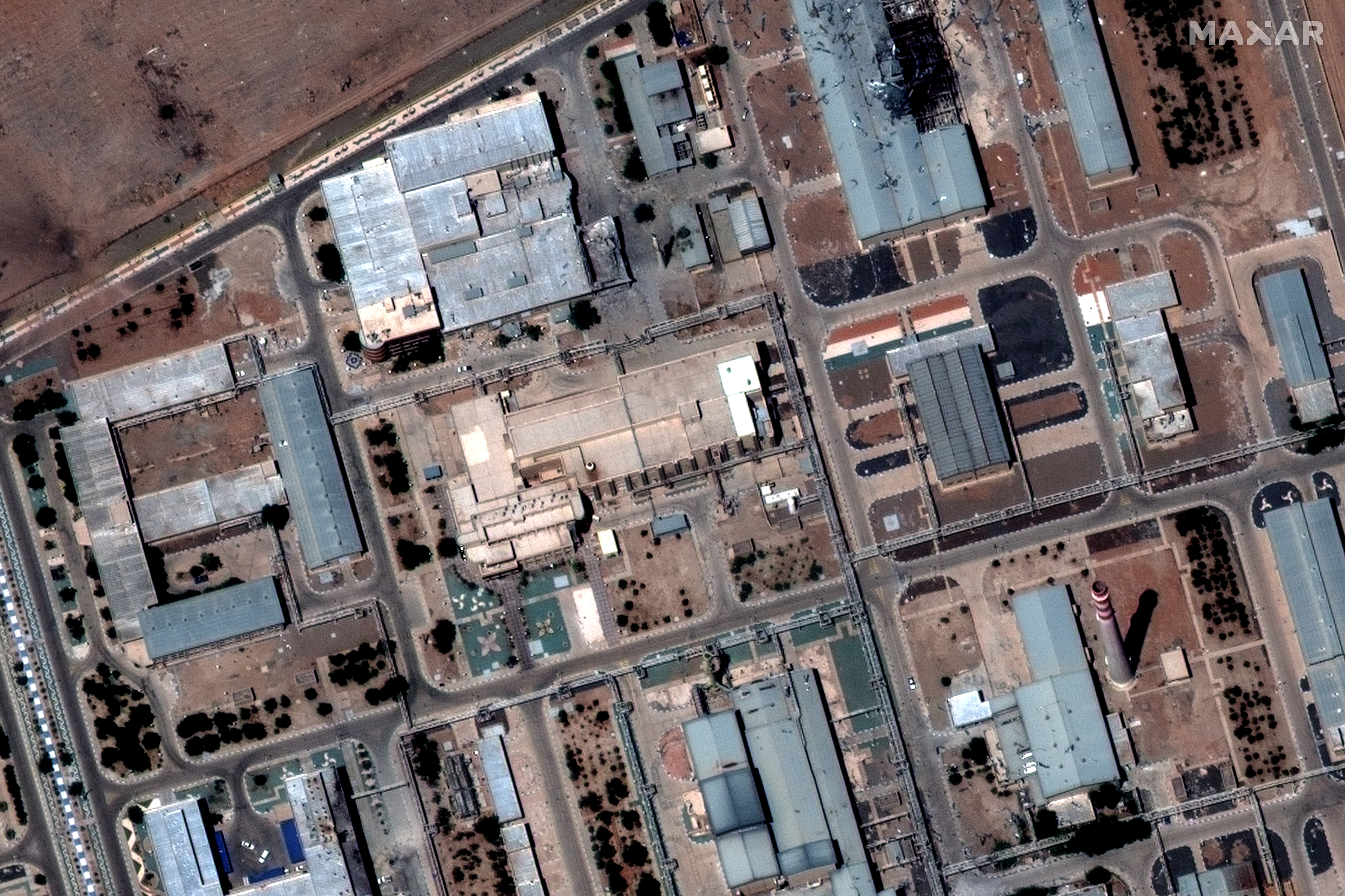
Images shared by Maxar Technologies show the Isfahan nuclear technology center in the days before Saturday’s attack, left, and after the attack, on the right, on Sunday, June 22. (Satellite image ©2025 Maxar Technologies)
Israel at War

Copyright 2026 Nexstar Broadcasting, Inc. All rights reserved. This material may not be published, broadcast, rewritten, or redistributed.

AUTO TEST CUSTOM HTML 20260112181412