(NewsNation) — More Americans are cooking at home and turning to ingredients that stretch their food budgets, a potential warning sign for the U.S. economy.
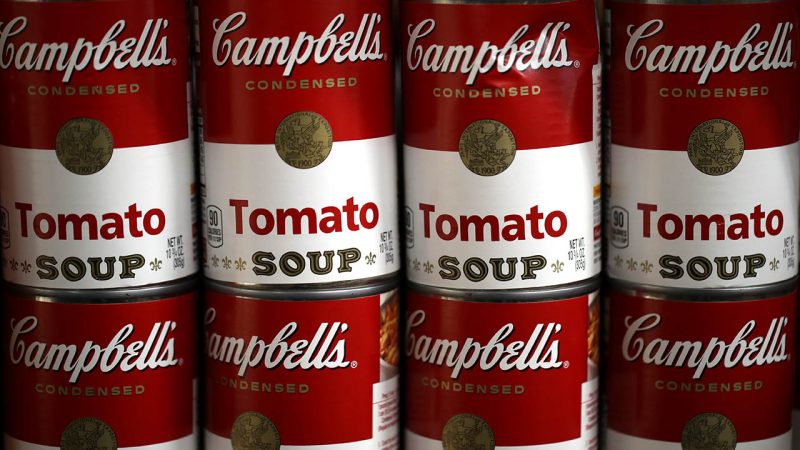
American soup and snack maker Campbell’s recently saw the highest level of meals cooked at home since early 2020, CEO Mick Beekhuizen said on an earnings call this week.
“We started to see consumer sentiment softening in January,” Beekhuizen said. “This continued throughout Q3, with consumers making more deliberate choices with their spending on food.”
And it’s not just where they’re eating; it’s what they’re eating.
Shoppers are being more intentional with their snack spending and gravitating toward grocery items like condensed cooking soups, broths and Italian sauces, ingredients that help “stretch tight food budgets,” Beekhuizen said.
Campbell’s noted sales of its broths rose 15% during the quarter while snack sales, including Goldfish crackers and Cape Cod potato chips, declined over the same period.
Other iconic American brands are also seeing changes in consumer habits, suggesting households are growing more cautious with their spending.
The snacking slowdown has hit PepsiCo and General Mills, and Procter & Gamble has noticed consumers cutting back on laundry to conserve detergent. Meanwhile, McDonald’s recently experienced its worst U.S. sales decline in five years, with traffic falling particularly among low and middle-income diners.
All of this comes amid heightened economic uncertainty, with President Trump’s tariff policy unsettling both Wall Street and Main Street.
The lingering sense of unease recently sent consumer sentiment plunging to its lowest level in three years, nearing a record low. Recession odds are also up since the start of the year.
Americans have been particularly concerned about the potential resurgence of rampant inflation, as retail giants like Walmart warn that tariffs will drive prices higher for a range of goods, from bananas to car seats.
So far, economists’ worst fears haven’t come to pass, though the full effect of the president’s trade war may still be months away.
It’s possible the shift toward at-home dining could prove benign, driven more by the rising cost of eating out rather than drastic belt-tightening.
Grocery prices were up 2% in April compared to the year prior, according to the latest Consumer Price Index. Meanwhile, the cost of eating out increased by 3.9% over the same period, outpacing overall inflation.
Still, prominent household brands are likely to be the first to spot trouble brewing, given that consumer spending makes up about two-thirds of the U.S. economy.
Another trend that shows Americans are feeling: Sales are up at bargain stores like Dollar General, with even higher-income shoppers stopping by.