(NewsNation) — The Centers for Disease Control and Prevention is advising people 60 and older to avoid receiving the chikungunya vaccine.
Last month, a group of vaccine experts who advise the CDC heard about an investigation into six people 65 and older who became ill with heart or brain symptoms less than a week after vaccination.
More than 10 other similar cases were reported in people from other countries.
So what is chikungunya, how common is it and which hotspots travelers should avoid?
What is chikungunya?
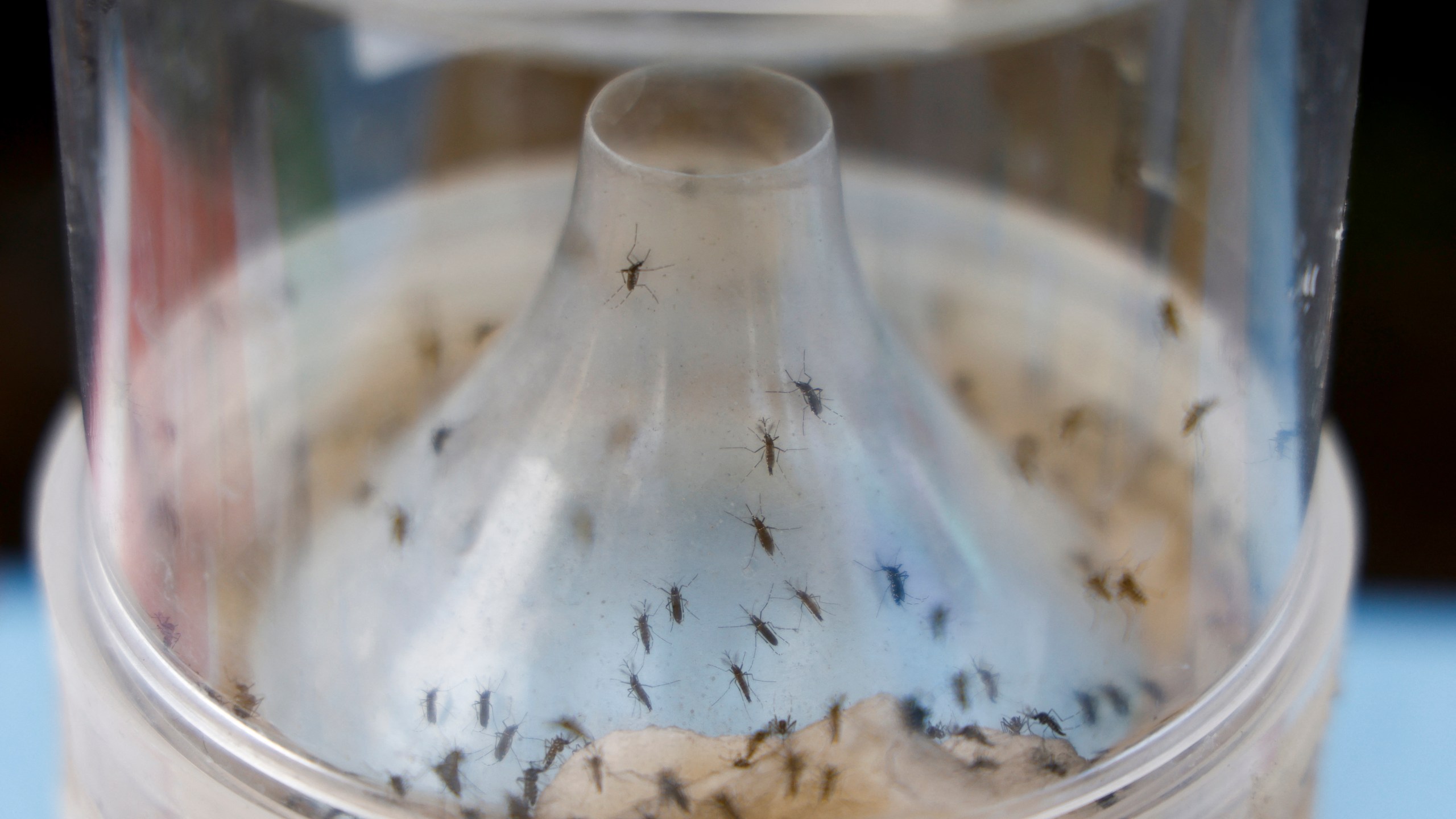
Chikungunya is a mosquito-borne tropical disease that causes intense joint pain and fever.
The disease was first detected in the Americas near the end of 2013. In the years that followed, it spread to other Caribbean nations, Africa and Asia.
In 2024, the government began recommending the vaccine, which is made with weakened chikungunya virus, to adults who travel to countries where chikungunya is a problem.
How often does chikungunya disease occur?
Chikungunya happens sporadically among U.S. travelers.
Cases for the disease reportedly range from 100 to 200 annually and occur with the spread by the bites of infected mosquitoes.
Most people affected by the disease feel better within a week, but some patients might develop longer-term joint pain.
Deaths from the disease are rare, but the very young and elderly who are sick are at increased risk of more severe illness.
What are the places travelers can avoid chikungunya?
Those who want to steer clear of chikungunya are advised not to travel to tropical and subtropical regions.
The virus is native to parts of Africa, particularly Nigeria, Senegal, Kenya and the Democratic Republic of the Congo. The disease has also seen widespread transmission in countries such as India, Sri Lanka, Thailand, Indonesia, Myanmar and the Philippines.
The Caribbean has seen significant outbreaks of chikungunya, as well as several parts of Central and South America (Brazil, Colombia, Venezuela, Honduras and Mexico).
As of May 2025, there have been no sustained local outbreaks in the United States. Travel-related cases are regularly reported, especially in warmer states like Florida and Texas.