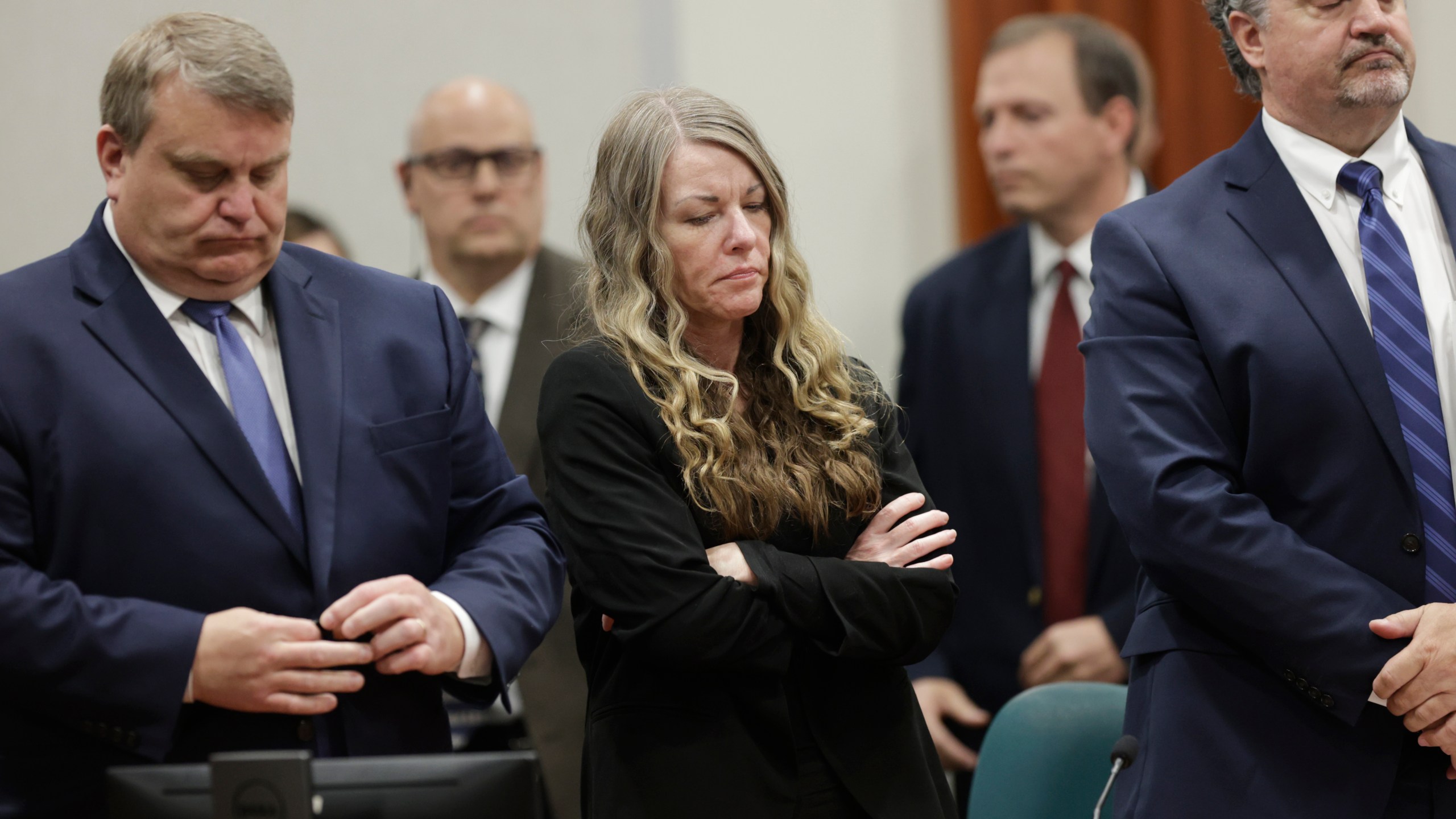
(NewsNation) —“Doomsday mom” Lori Vallow Daybell, who was convicted in the murders of her two children, has opted to represent herself in a separate trial that began this week in the killing of her estranged husband.
The move is rare, legal experts say, but not unheard of and hardly ever advised.
“I’m not an attorney. I do not have training to be an attorney,” Vallow Daybell told True Crime Arizona prior to the trial, but added that she’s been “working” on her own case “for five years and knows it “better than an attorney can learn it in two years.”
Is representing yourself at trial a good idea?
The legal term for self-representation is called “pro se” which translates to “for oneself.”
Acting as your own attorney comes with a slew of pitfalls and concerns, Cheryl Bader, a criminal law professor at Fordham Law School, said.
“People have an unrealistic understanding of the risks and their ability to navigate them in a courtroom.”
It’s also very difficult to be objective in your own defense, she said.
Evidentiary rules are highly complex, which is why it’s best to let a trained lawyer take the reigns in court, she added. Defendants who are incarcerated could also have limited resources and access to fact find, contact witness and research laws in the same way an attorney would, Bader said.
Studies have shown that defendants who represent themselves have very low success rates in court.
Around 12% of pro se defendants received final judgments in their favor in federal district courts from 1998 to 2017.
What is Lori Vallow being tried for in Arizona?
Vallow Daybell is charged with conspiring to kill her ex-husband, Charles Vallow in Arizona. She already faces three life sentences in Idaho for the murder of her children and for conspiring to kill a romantic rival.
During jury selection, Vallow Daybell stood up and told potential jurors that it was their job to protect her from the state, saying its her against the prosecutors, law enforcement and the judge.
The judge clarified to the jury that their only job is to determine whether or not the state had proved its case.
Here are several cases where defendants represented themselves in their criminal trials:
Ted Bundy
Notorious serial killer Ted Bundy represented himself during his 1979 criminal trial in Florida.
He had been charged in the murders and attempted murders of four women.
At the time, it was highly speculated that Bundy chose to defend himself in a way to gain control of his defense and garner public attention. His trial was turning into a media firestorm which led the case to be transferred from Tallahassee to Miami as a result of the blitz, reported Crime Investigation.
Bundy leaned into the role as a showman, referring to himself in third person and smiling during cross-examinations, according to A&E.
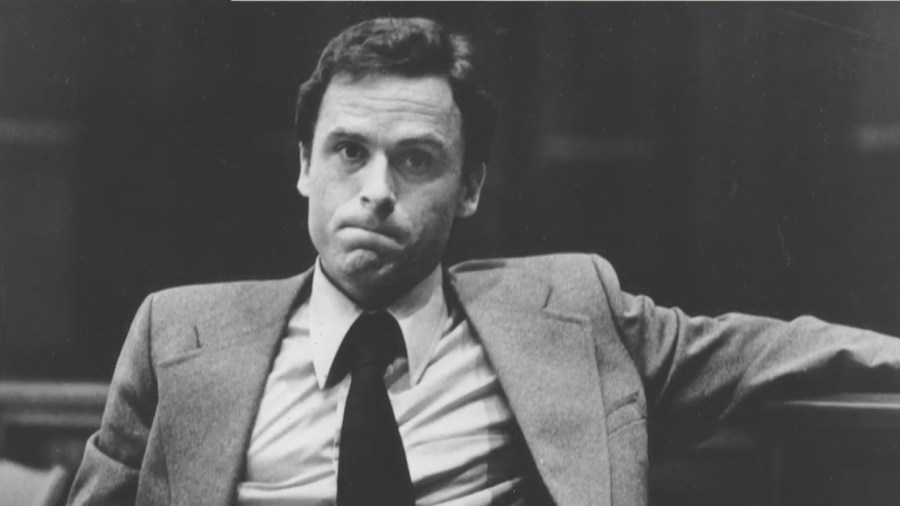
“Ted believed he could lie his way out of anything and could charm the judge,” John Henry Browne, Bundy’s former attorney, wrote in The Devil’s Defender.
“He was wrong.”
A jury found Bundy guilty on all counts after a seven-hour deliberation and went on to receive the death penalty.
Rodney Alcala
“The Dating Game Killer” Rodney Alcala was convicted and sentenced to death in 2010 for five slayings in California between 1977 and 1979.
Alcala decided to represent himself during one of his murder trials, believing his high IQ could easily outmaneuver a jury.
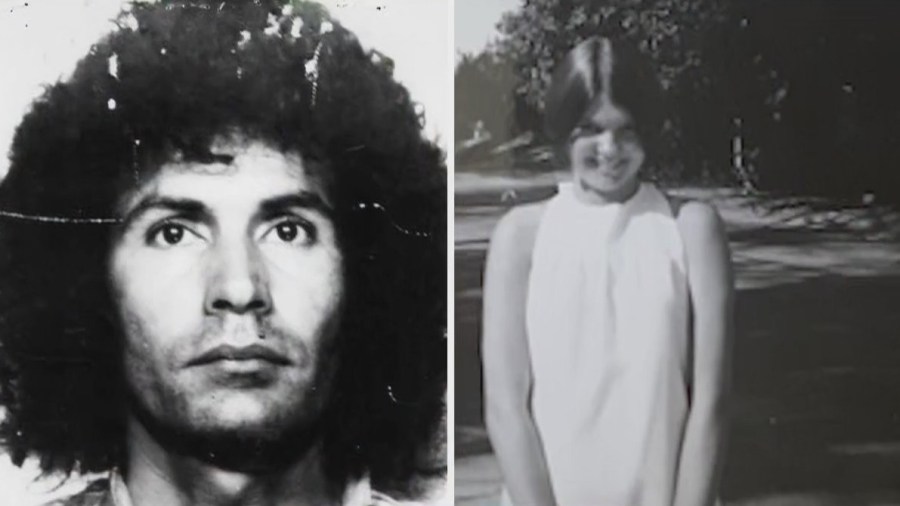
Alcala often “rambled” in court, The Orange County Register reported. He also used his 1978 appearance on the game show to prove a point about evidence presented by prosecutors.
His defense ultimately failed, and a jury convicted him on all five counts of first-degree murder after less than two days of deliberation.
Darrell Brooks Jr.
Darrell Brooks Jr. was found guilty by a Wisconsin judge for driving his SUV through a Christmas parade in Waukesha on Nov. 21, 2021, killing six and injuring dozens.
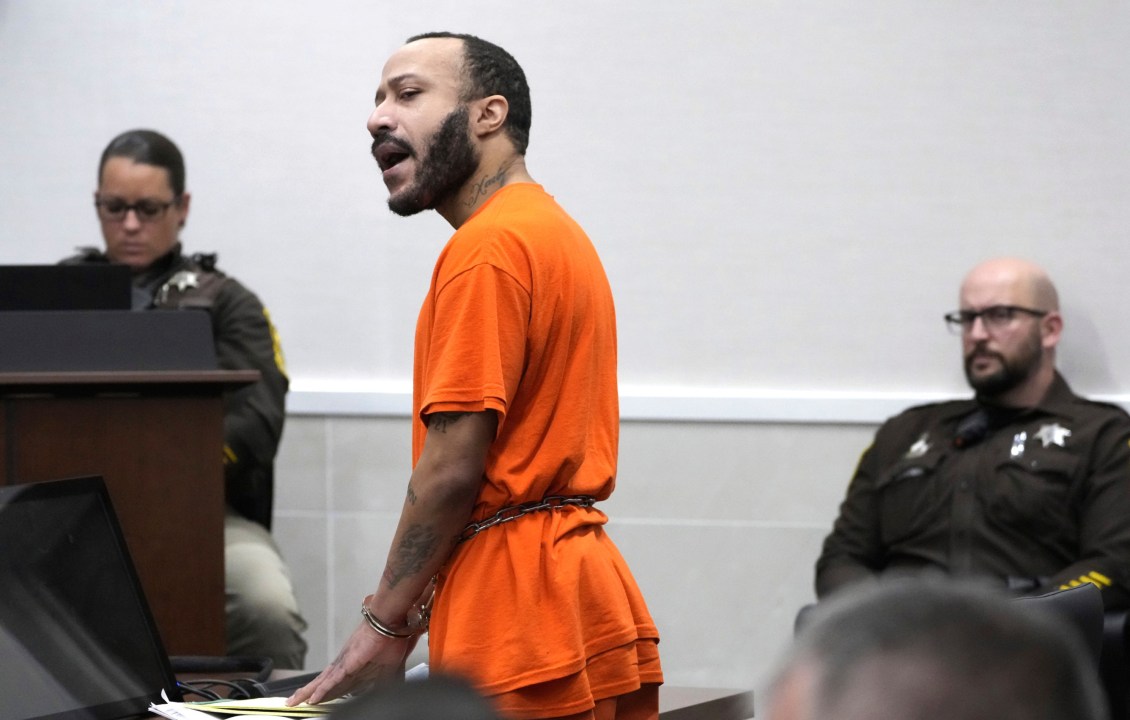
Brooks had chosen to represent himself at his 2022 trial against 76 charges, including six counts of first-degree intentional homicide and 61 counts of reckless endangerment.
While acting as his own attorney, Brooks repeatedly disrupted the judge and challenged the court’s authority. At one time, he created a fort out of boxes and took off his shirt.
During the three-week-long trial, Waukesha County Circuit Judge Jennifer Dorow repeatedly warned him against interruptions and defiant outbursts.
While Brooks exhibited odd behavior leading up to the trial, Dorow ruled that Brooks was mentally competent enough to represent himself.
A jury came back with a guilty verdict in less than three hours.
Despite his failure in court, Brooks requested to represent himself again during the forthcoming appeal of his conviction.
Jack Kevorkian
Jack Kevorkian, who was given the name “Dr. Death” for assisting more than 130 patients in carrying out their own suicides, represented himself in a trial for one of the deaths.
Kevorkian, a medical pathologist, had carried out assisted suicides through the 1990s, violating euthanasia laws.
The doctor had been tried several times in the deaths but was acquitted each time he used a defense attorney.
In 1998, he was charged with first-degree murder and the delivery of a controlled substance, but at this trial he made the decision to represent himself.
Kevorkian ignored his defense attorney’s advice by defending himself, saying later that it was “an act of arrogance he regretted,” reported The New York Times.
Kevorkian “stumbled conspicuously” during his self-representation, asking witnesses “legally inappropriate questions and raising impermissible legal arguments,” the Times reported at the time.
“Kevorkian’s lack of legal skill was especially evident as he sought to call his first witness, the wife of the dead man. He was unable to convince the judge that the woman’s testimony was relevant and should be allowed.”
The doctor was found guilty of second-degree homicide by a jury after a two day trial.