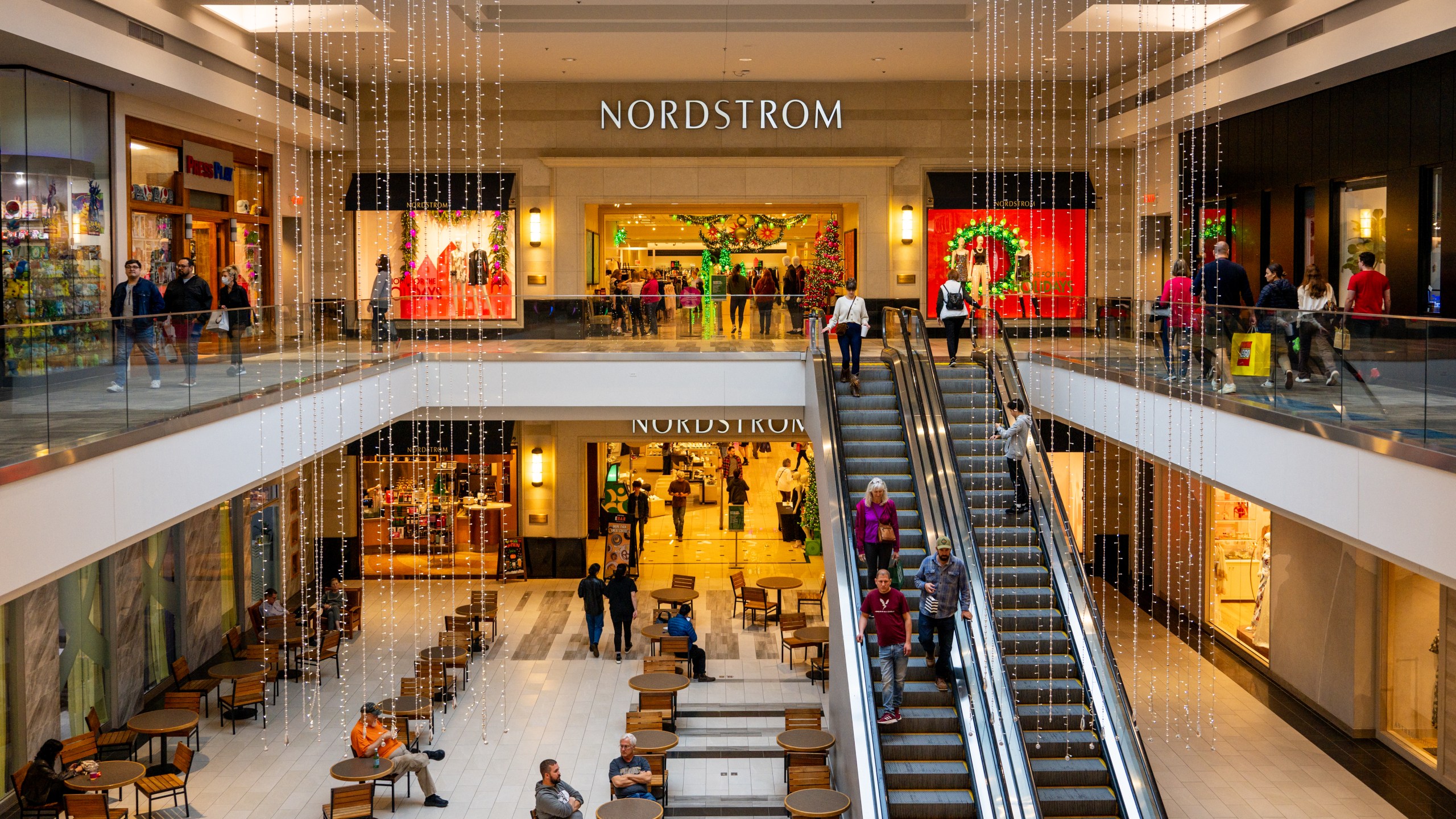
NEW YORK (NewsNation) — President Donald Trump’s tariffs will hit Americans’ wallets, and it’s not just big-ticket items like cars or electronics that could see higher prices. Everyday products like clothes and shoes, much of which are made overseas and shipped into the United States, will likely cost more.
Some American businesses are preparing to increase production, but how likely it is that these changes will bring more manufacturing back to the U.S. remains uncertain.
One industry expected to be hit hard by the new tariffs is the garment and textile sector.
The U.S. imports 97% of its apparel and footwear from other countries, according to a 2024 report from the American Apparel & Footwear Association.
Some US companies ready to capitalize
A vast majority of the clothing and footwear purchased in the U.S. is either produced or sourced overseas. U.S. consumers will likely face price increases for these products as tariffs target the countries responsible for their production.
The situation may bring attention to U.S. factories, which already have a supply of material needed to produce clothes and shoes.
Caroline Mann, retail and private label manager at Tailored Industry Factory and Outlet in Brooklyn, expects a potential surge in business as suppliers seek ways to avoid the current tariffs.
“Because we manufacture here, we are expecting that we will adjust where we need to but hoping that people will gravitate more toward American manufacturing,” she said. “The people that we produce for, they come to us because they know the transparency of being made here. They know who is making their products and how they’re being treated, and that’s really important.”
The fashion industry reacts
The overall fashion and clothing industry is reacting negatively to these changes.
Many of the countries facing heavy tariffs are major players in textile production, with Vietnam being a key producer of millions of shoes.
A spokesperson from the United States Fashion Industry Association didn’t mince words when commenting on tariffs, saying, “For the fashion industry, with its deeply entrenched, Asia-centric supply chains, the stakes couldn’t be higher. Key fashion-producing regions face particularly harsh measures … the fashion industry is bracing for the fallout.”
Brands like Nike, Adidas, Gap, H&M and online retailer Amazon are expected to feel the effects, with their stock prices dropping since Trump’s executive order was issued Wednesday.