(NewsNation) — The way to solve a myriad of medical challenges, such as a chronic shortage of donated organs, is through the creation of spare bodies grown from human stem cells, say a trio of Stanford University researchers.
The scientists make their futuristic proposal in “MIT Technology Review” while acknowledging questions are likely to arise that may disturb some people.
“Human biological materials are an essential commodity in medicine, and persistent shortages of these materials create a major bottleneck to progress,” wrote the authors, Carsten T. Charlesworth, Henry T. Greely and Hiromitsu Nakauchi.
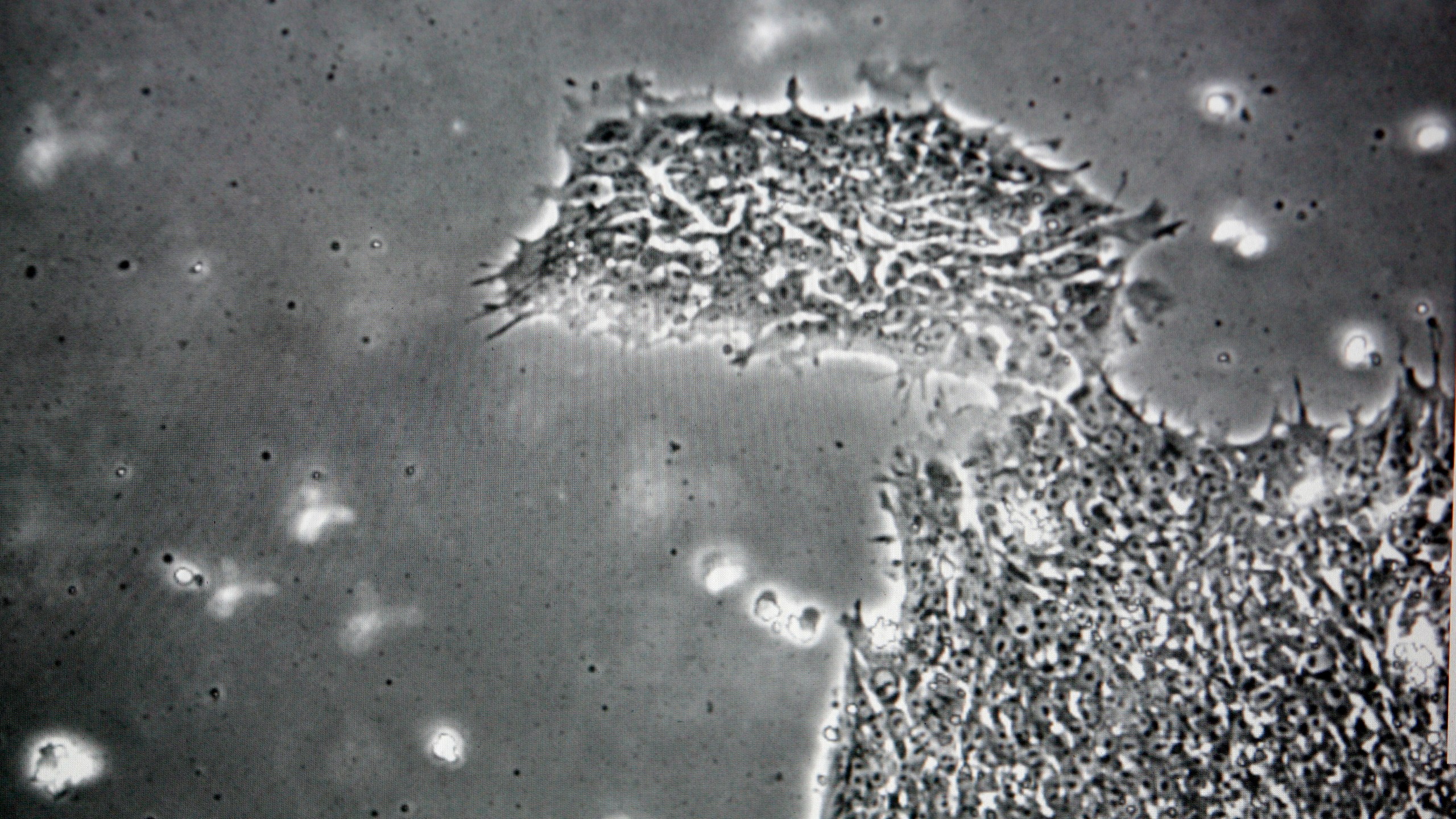
Under their concept, non-sentient “bodyoids” would be lab-grown from the most basic human stem cells. The authors say the resulting spare bodies could be used for organs or to test potential therapies on humans, among other applications.
One potential positive is the end of animal research for human ends that many consider cruel. But the scientists concede the public may not be ready for the commodification of human bodies, even brainless ones.
“The cells used to make bodyoids would have to come from someone, and we’d have to make sure that this someone consented to this particular, likely controversial, use,” the authors wrote.
They say governments, companies and private foundations should begin considering the concept for potential funding, and they encourage rigorous debate.
“As we proceed, the ethical and social issues are at least as important as the scientific ones,” the researchers said. “Just because something can be done does not mean it should be done.”