(NewsNation) — Florida woman Jennifer Kesse was last seen leaving for work in 2006. 19 years later, her family is still searching for answers, but hope remains with the involvement of state and federal agencies.
On the anniversary of her disappearance, Jennifer’s father Drew Kesse joined NewsNation’s “Banfield” to share how he feels her case was mishandled and explain how NASA got involved in the search.
“It’s Jennifer’s time in the lineup, I guess, to either be found or not found,” Drew Kesse said.
What happened to Jennifer Kesse?
In 2016, 10 years after her disappearance, Jennifer was officially declared dead by the state of Florida. Since then, the Orlando Police Department handed the case files over to the family, who have now hired a private investigator, hoping for answers.
They also enlisted the help of the Florida Department of Law Enforcement, which is now leading the investigation. The agency announced Friday that it has conducted more than 50 interviews and reviewed tens of thousands of documents and pieces of evidence in hopes of developing new avenues to explore.
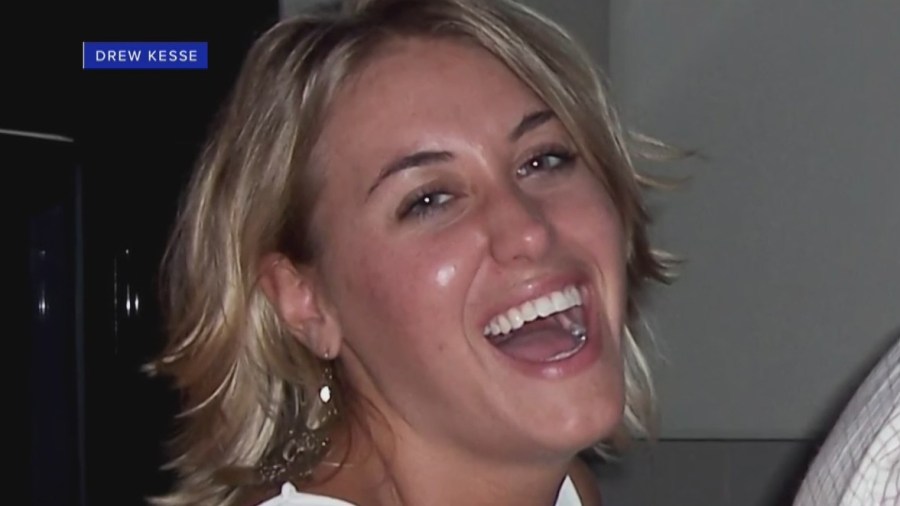
“FDLE, finally after 18 years, got involved, and it took them a little while to get going, but boy, they’re going now,” Kesse said. “But they are truly putting all the resources that they have towards trying to find out what happened to Jennifer, and we couldn’t be more grateful. It’s, been too long.”
Nearly two decades ago on Jan. 24, 2006, Jennifer’s day started like any other. She took a shower, got dressed, did her hair and makeup and then headed to work. But that’s when things veered from the usual routine.
The 24-year-old simply vanished. Her boyfriend didn’t get his usual text that morning, and he couldn’t reach her by phone. She didn’t show up for work, which was unlike her, according to friends and family.
Jennifer’s parents realized her purse, keys, phone and iPod — items she typically would take to work — were missing from her home. That was when Jennifer’s parents contacted the Orlando Police Department.
Soon after, Jennifer’s car was found abandoned a mile away at a different apartment complex. Apartment security cameras showed images of a man parking her car around noon the day she disappeared.
Because the video was so grainy, police made the rare move of reaching out to NASA for help.
NASA’s role in Jennifer Kesse’s missing persons case
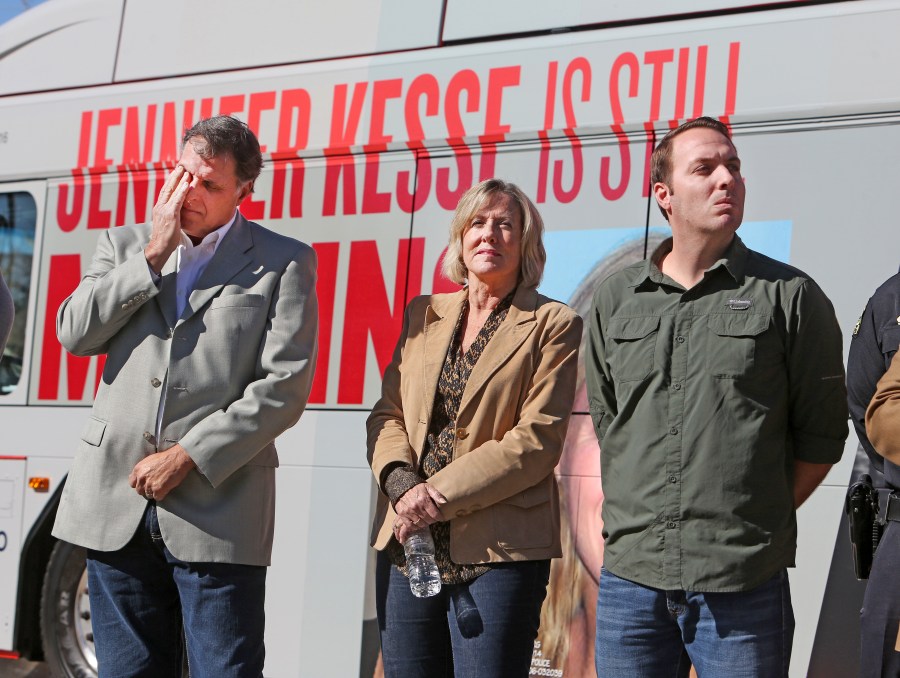
NASA was able to produce a clearer image, providing a partial profile of the suspect, who wore clothing typical of a painter or some kind of worker.
At the time of Jennifer’s disappearance, she told her parents that workers at her building made her feel “uncomfortable.”
Once the family received the evidence from local police, they realized the lead detective hadn’t been investigating.
“Come to find out, she did not write a single word for seven years,” Kesse said. “It’s a good thing that it’s out of Orlando. I honestly don’t think that they had the talent to do what’s needed to do in a long-term missing persons case.”
Evidence in Jennifer Kesse’s case
A witness saw Jennifer’s car swerve out of the condo complex.
Handprints and scratches on her car, which appeared to have been cleaned before it was found, indicate there may have been a struggle. A skeleton key for Jennifer’s building had gone missing a year earlier.
Physical evidence from the car includes hairs and 100 fingerprints, some of which were not identified to a person at the time.
“We do have to remember, technology has come so far since 2006. We didn’t even have Google Earth in 2006. It was in beta, so we were still tapping twice on our phones for the letter B when we were texting things like that,” Kesse said. “So, it’s come a long way. Unfortunately, it just didn’t help Jennifer at the time.”
The family remains hopeful despite the decadeslong delays.
“This is what we live with, and we move forward every day because we have unconditional love for Jennifer,” Kesse said. “We’re just not going to give up until we find her.”
NewsNation’s Ashley Soriano contributed to this report.