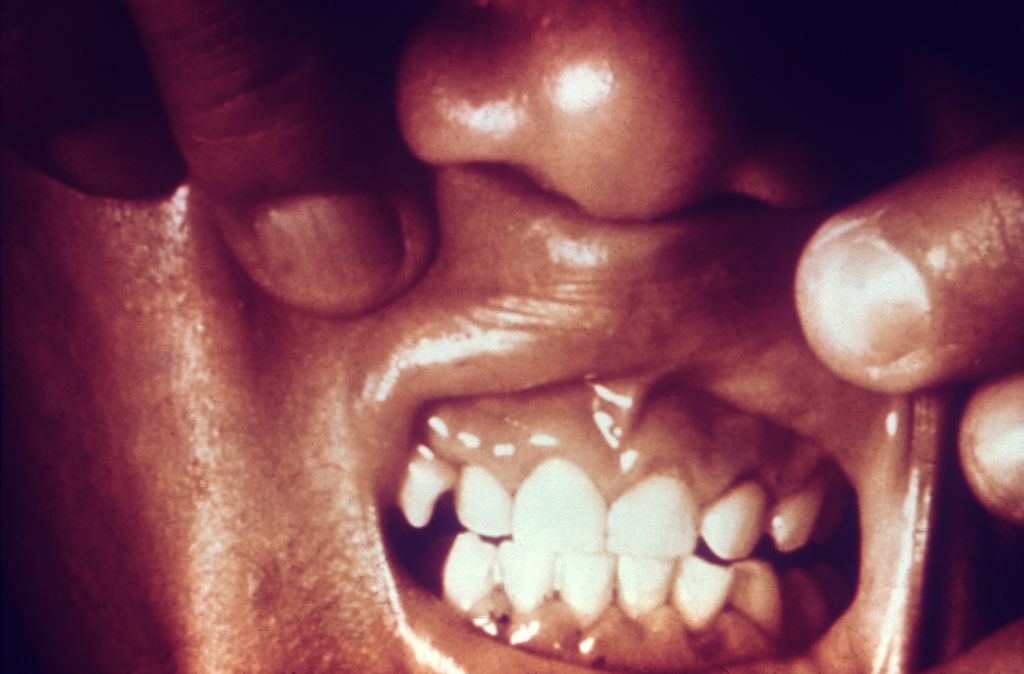
(NewsNation) — Modern medicine meets an ancient disease.
Cases of scurvy, a Renaissance-era sickness, is resurfacing, with a rise in cases detected according to an analysis by the Journal of the American Academy of Orthopaedic Surgeons.
Scurvy is caused by a vitamin C deficiency and can cause symptoms including skin lesions, loose teeth, internal bleeding and death if untreated.
It was prominent among sailors and soldiers in the 1500s who had minimal access to fruits and vegetables.
“In the era of modern medicine, scurvy has been thought of as a rare disease of ancient times because of improved emphasis on diet and nutrition; however, isolated case reports are plentiful,” the study said.
Researchers conducted a retrospective analysis of 19.4 million pediatric patients between 2016 and 2020.
In early October, Canadian doctors reported a scurvy case in a 65-year-old woman, and recently, Australian researchers discovered a scurvy case in a middle-aged man.
“Clinicians should be aware of the increasing incidence of scurvy in modern medicine,” the authors of the July study said. “In cases of vague musculoskeletal reports without clear (causes), a diagnosis of scurvy should be considered, particularly if risk factors are present.”
The rare, though present, disease is much more treatable now with advancements in technology.
“It’s not going to be some huge thing. It still takes very limited intake of vitamin C for someone to get scurvy,” said Ebubekir Daglilar, a gastrologist at West Virginia University, to Gizmodo. “But I think it’s definitely underdiagnosed. … You would be surprised at how we are not diagnosing these patients.”