How are ultra-processed foods affecting your brain health?

  • Highly altered foods may take a toll on brain health
  • Researchers: Higher intake linked to greater risk of cognitive impairment
  • Ultraprocessed foods include chicken nuggets, canned soup and pop

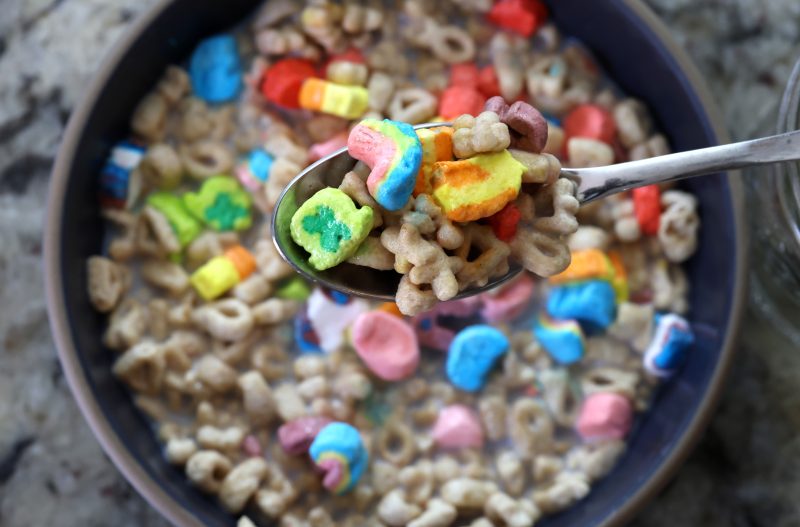
In this photo illustration, a bowl of General Mills Lucky Charms cereal is displayed on April 18, 2022 in San Anselmo, California. The U.S. Food and Drug Administration is investigating reports of hundreds of people that have fallen ill and have experienced symptoms of nausea, diarrhea and vomiting after eating Lucky Charms cereal. (Photo Illustration by Justin Sullivan/Getty Images)

Want to see more of NewsNation? Get 24/7 fact-based news coverage with the NewsNation app or add NewsNation as a preferred source on Google!

(NewsNation) — Ultra-processed or highly altered foods could increase the risk of a stroke and brain health, according to a research article published in the journal Neurology.

Researchers found a 10% increase in ultra-processed foods was associated with a higher risk of cognitive impairment. Eating more unprocessed or minimally processed foods was alternatively linked to a lower risk of cognitive impairment, the article suggested.

Examples of ultra-processed foods include chicken nuggets, frozen meals, hot dogs, packaged soups, pop and sweetened breakfast cereals, according to the Cleveland Clinic.

Aside from brain health, the added sugar, fat and salts in ultra-processed foods also increase the risk for conditions such as heart disease, obesity and Type 2 diabetes, the Cleveland Clinic warns.

Health

Copyright 2026 Nexstar Broadcasting, Inc. All rights reserved. This material may not be published, broadcast, rewritten, or redistributed.

AUTO TEST CUSTOM HTML 20260112181412